
Anúncios
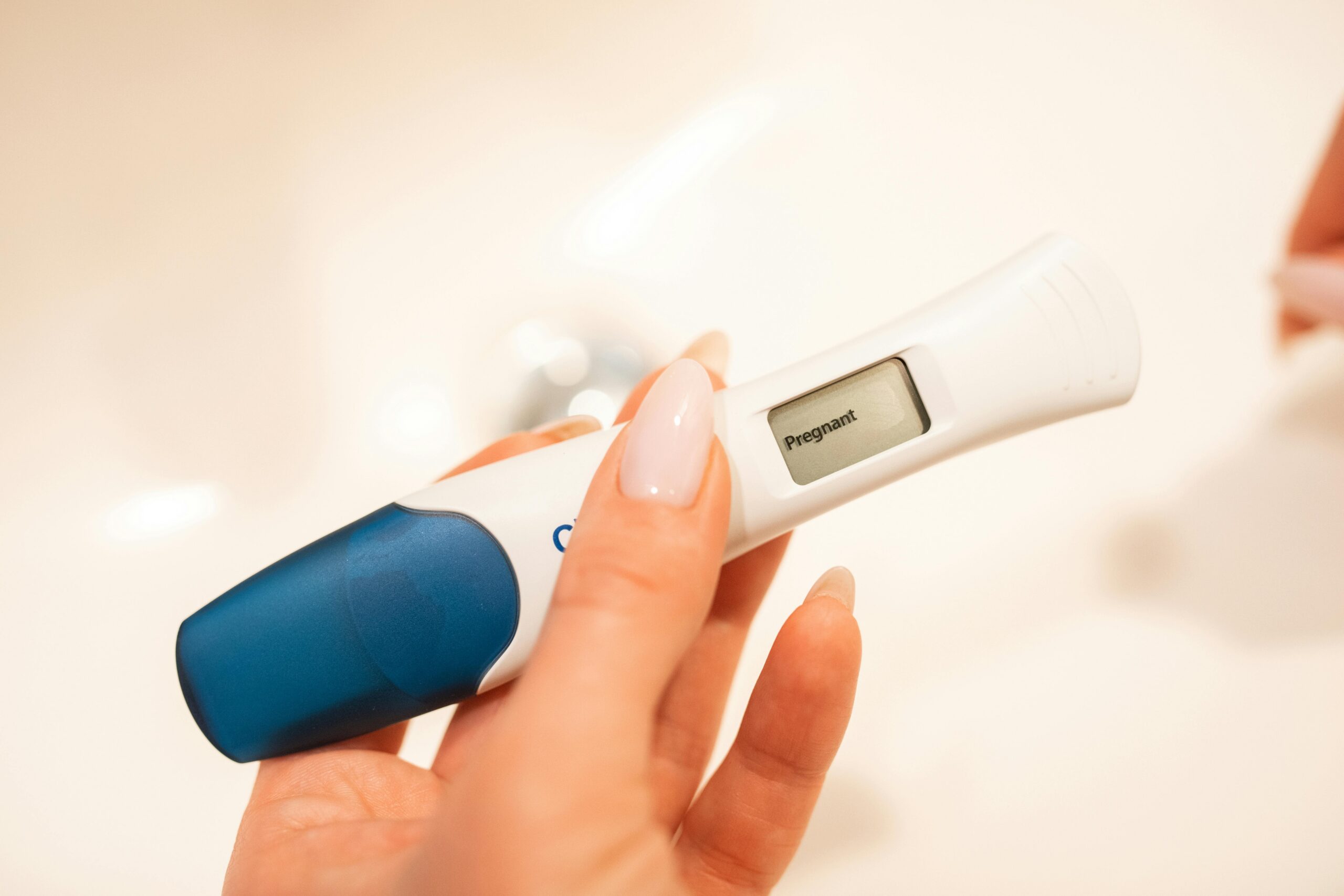
Pregnancy tests have evolved beyond traditional strips, and now apps claim to help track symptoms, predict results, and even detect pregnancy through your phone. But how reliable are they?
The digital age has brought innovation to nearly every aspect of health and wellness, including pregnancy detection. While these apps cannot replace medical-grade pregnancy tests or professional consultations, they serve as useful companions for women tracking their fertility, menstrual cycles, and early pregnancy symptoms.
Anúncios
Understanding what these applications offer, their limitations, and how they complement traditional testing methods is essential for anyone navigating the uncertainty of a potential pregnancy. Let’s explore how pregnancy test apps work and examine three popular options available today.
📱 How Pregnancy Test Apps Actually Work
Before diving into specific applications, it’s important to clarify what pregnancy test apps can and cannot do. Despite their names, these apps don’t perform actual pregnancy tests through your smartphone screen. No app can detect the hCG hormone (human chorionic gonadotropin) that confirms pregnancy without physical testing.
Anúncios
Instead, these digital tools function as sophisticated symptom trackers, cycle calculators, and educational resources. They analyze data you input about your menstrual cycle, sexual activity, symptoms, and other health indicators to estimate the likelihood of pregnancy.
Most pregnancy test apps combine several features including cycle tracking, ovulation prediction, symptom logging, and quiz-based assessments that evaluate your chances of being pregnant based on recognized early pregnancy signs.
🔍 What These Apps Track and Analyze
Pregnancy test applications typically monitor various data points to provide insights:
- Menstrual cycle length and regularity
- Last menstrual period date
- Ovulation windows and fertile days
- Sexual activity timing
- Physical symptoms like nausea, breast tenderness, fatigue
- Mood changes and food cravings
- Basal body temperature fluctuations
By cross-referencing this information with medical databases and algorithms, these apps generate probability scores or suggestions about when to take a physical test.
🌟 Top Pregnancy Test Apps Worth Downloading
The market offers numerous pregnancy-related applications, each with unique features and approaches. Here are three notable apps that have gained significant user bases and positive reviews.
1. Online Pregnancy Test & Quiz 🤰
One of the most downloaded apps in this category combines symptom tracking with interactive quizzes designed to assess pregnancy probability. This application takes a comprehensive approach to helping women understand their bodies during the crucial early weeks.
The app features a detailed questionnaire that covers over 20 common early pregnancy symptoms including missed periods, morning sickness, increased urination frequency, mood swings, and physical changes. After completing the quiz, users receive a probability percentage along with educational information about next steps.
What sets this app apart is its educational component. It doesn’t just provide a yes/no answer but explains why certain symptoms indicate pregnancy and how hormonal changes affect the body. The interface is user-friendly with clear graphics and easy navigation.
Additionally, the app includes a countdown feature for when to take a physical test based on your last period date, ensuring you test at the optimal time for accurate results. It also offers reminders and tracks multiple symptoms over time, allowing users to see patterns emerging.
However, the app is clear about its limitations, displaying prominent disclaimers that it cannot replace actual medical testing and encouraging users to consult healthcare professionals for confirmation.

2. Flo Period & Pregnancy Tracker 💧
Flo has established itself as one of the most comprehensive women’s health apps available, serving over 200 million users worldwide. While primarily known as a period tracker, it seamlessly transitions into a pregnancy companion when needed.
The app uses artificial intelligence to learn your unique cycle patterns, making predictions increasingly accurate over time. When you suspect pregnancy, Flo adjusts its interface to focus on pregnancy-related content, symptom tracking, and week-by-week development information.
Flo’s pregnancy test feature works by analyzing your cycle data against a database of anonymized user information to estimate conception probability. It considers irregular cycles, various cycle lengths, and individual health factors that might affect fertility.
One standout feature is the app’s extensive educational library, which includes articles reviewed by medical professionals. Users can learn about implantation bleeding, early pregnancy symptoms, false negatives, and when home tests are most reliable.
The community aspect also adds value, allowing women to share experiences anonymously and find support during the uncertain waiting period before testing. Flo Premium offers additional features like detailed health insights and comparison with similar profiles.
The app’s design is sleek and intuitive, with color-coded calendars, symptom intensity scales, and customizable reminders. It also integrates with other health apps and wearables for comprehensive wellness tracking.
3. Pregnancy Test Checker & Calculator 🧮
This application takes a more clinical approach, focusing heavily on mathematical calculations and probability algorithms. It’s designed for women who prefer data-driven insights over general symptom assessments.
The app calculates your most fertile days based on cycle length, identifies your conception window with precision, and estimates when implantation would occur. It then compares your testing timeline against these calculations to advise optimal test timing.
What makes this app particularly useful is its test accuracy calculator. You input when you plan to test (or when you tested), and it shows the statistical likelihood of accuracy based on how many days past ovulation you are. This helps users understand why testing too early often yields false negatives.
The interface includes visual calendars showing color-coded fertility windows, ovulation dates, and recommended testing periods. It also tracks basal body temperature for users who monitor this metric, incorporating it into pregnancy probability calculations.
Educational content covers topics like hCG level progression, sensitivity differences between pregnancy test brands, and how medications or health conditions might affect results. The app also includes a due date calculator that estimates delivery dates based on various inputs.
While less visually appealing than some competitors, this app excels in providing detailed, science-based information that helps women make informed decisions about when and how to test.
🩺 Understanding the Limitations of Digital Pregnancy Detection
Despite the sophisticated algorithms and extensive databases these apps use, they have fundamental limitations that users must understand. No smartphone application can detect pregnancy hormones in your body, which is the only definitive way to confirm pregnancy before ultrasound visualization.
These apps work with probabilities based on statistical averages. Your individual biology might differ significantly from these averages, leading to inaccurate predictions. Factors like stress, illness, hormonal imbalances, and lifestyle changes can all affect cycle regularity and symptoms in ways apps cannot account for.
⚠️ Why Apps Can’t Replace Physical Tests
Physical pregnancy tests detect hCG hormone levels in urine or blood, providing direct biological evidence of pregnancy. Apps analyze indirect indicators like symptoms and timing, which can have many causes unrelated to pregnancy.
Many early pregnancy symptoms mirror premenstrual syndrome (PMS), making symptom-based detection unreliable. Nausea, breast tenderness, fatigue, and mood changes can all occur before menstruation without pregnancy.
Additionally, some women experience few or no early pregnancy symptoms, while others have strong symptoms that turn out to be false alarms. Relying solely on app predictions could delay necessary medical care or create unnecessary anxiety.
✅ Best Practices When Using Pregnancy Test Apps
To maximize the value of these applications while avoiding potential pitfalls, consider these practical guidelines for responsible use.
First, use these apps as supplementary tools alongside physical testing, never as replacements. They work best for tracking cycles, identifying fertile windows, and learning about pregnancy symptoms, but cannot confirm pregnancy.
Input data consistently and accurately. The more information you provide about your cycles, symptoms, and health factors, the better the app’s algorithms can generate useful insights. However, remember that even perfect data cannot overcome the apps’ fundamental limitations.
Pay attention to disclaimer notices. Reputable apps clearly state they cannot diagnose pregnancy and recommend professional medical consultation. Apps that claim to definitively detect pregnancy through your phone should be avoided.
🕐 Timing Your Physical Pregnancy Test
One of the most valuable uses of these apps is helping you determine the optimal time for physical testing. Testing too early is the most common reason for false negatives, leading to unnecessary stress and confusion.
Most apps recommend waiting until at least the first day of your expected period, when hCG levels should be detectable by home pregnancy tests. For irregular cycles, apps help estimate this date based on your historical data.
Some women prefer testing earlier, and apps can show the statistical accuracy rates for early testing. For example, testing five days before your missed period might only be 50-70% accurate, while waiting until the missed period day increases accuracy to 95-99%.
🔬 The Science Behind Pregnancy Detection
Understanding how pregnancy actually occurs and how it’s detected helps contextualize what apps can and cannot do. After fertilization, the embryo travels to the uterus and implants in the uterine lining, typically 6-12 days post-ovulation.
Implantation triggers the production of hCG, which doubles approximately every 48-72 hours in early pregnancy. Home pregnancy tests detect urine hCG concentrations usually around 25 mIU/mL, though sensitivity varies by brand.
This biological process explains why timing matters so much. Testing before implantation occurs or before hCG levels rise sufficiently will yield negative results even if pregnancy has occurred.
Apps that track your cycle and ovulation help estimate when implantation might happen, allowing you to time testing appropriately. This prevents the emotional rollercoaster of false negatives from testing too early.
💭 Emotional Aspects of the Waiting Period
The time between potential conception and testing can be emotionally challenging, whether you’re hoping for pregnancy or concerned about an unintended one. Pregnancy test apps can provide support during this uncertain period.
Many apps include journaling features where you can record thoughts, symptoms, and feelings. This helps process emotions and provides a record you can share with healthcare providers if needed.
Community features connect you with others in similar situations, reducing isolation and providing perspectives from various experiences. Reading how others navigated the waiting period can offer comfort and practical advice.
However, be cautious about over-analyzing every symptom or obsessively checking the app. This can increase anxiety rather than alleviate it. Set specific times to update your information rather than constantly monitoring.
📊 Comparing App Features: What to Look For
When choosing a pregnancy test app, certain features indicate quality and usefulness. Look for apps that prioritize education, clearly explain their limitations, and protect your privacy.
| Feature | Why It Matters | What to Look For |
|---|---|---|
| Cycle Tracking | Foundation for accurate predictions | Customizable cycle lengths, irregular cycle support |
| Symptom Logger | Helps identify patterns | Comprehensive symptom list, intensity tracking |
| Educational Content | Empowers informed decisions | Medically reviewed articles, cited sources |
| Privacy Protection | Safeguards sensitive health data | Clear privacy policy, data encryption, optional anonymity |
| Disclaimers | Indicates responsible design | Clear statements about limitations and medical consultation |
Avoid apps that make unrealistic claims about detecting pregnancy through smartphone cameras, fingerprint sensors, or other gimmicks. These are entertainment apps at best and misleading at worst.
🌈 Beyond Testing: Pregnancy App Evolution
Interestingly, many pregnancy test apps evolve with you through your journey. If your pregnancy is confirmed, these same apps often transform into comprehensive pregnancy trackers with week-by-week development information, appointment reminders, and preparation checklists.
This continuity means you don’t need to switch platforms, and your historical data from cycle tracking becomes useful for calculating due dates and monitoring pregnancy progression.
Features expand to include kick counters, contraction timers, hospital bag checklists, baby name generators, and postpartum support. The app that helped you detect pregnancy becomes a companion throughout the entire experience.
🔐 Privacy Considerations for Sensitive Health Data
Pregnancy-related information is highly personal, and app privacy policies deserve careful attention. Some apps share anonymized data with researchers or advertisers, which may or may not align with your comfort level.
Review what data each app collects, how it’s stored, who has access, and whether it’s shared with third parties. Look for apps with strong encryption, optional account creation, and transparent data practices.
Consider whether you want your pregnancy journey connected to other accounts like social media profiles. Some apps offer completely anonymous use, while others integrate with broader platforms.
🎯 Making the Final Decision: App or Test First?
If you suspect pregnancy, the question becomes whether to download an app first or head straight for a physical test. The answer depends on your situation and what you’re seeking.
Apps are ideal when you’re in the very early stages, perhaps only a few days past potential conception, when physical tests would likely be inaccurate anyway. They help you wait appropriately and understand what your symptoms might mean.
If you’ve already missed your period or are experiencing strong pregnancy symptoms, a physical test makes more sense as your first step. You can still download an app afterward for tracking and information.
For women trying to conceive, using these apps before pregnancy occurs helps optimize timing and provides valuable cycle data that aids conception efforts and early pregnancy management.
💡 Final Thoughts on Digital Pregnancy Tools
Pregnancy test apps represent the intersection of technology and reproductive health, offering valuable tools for modern women navigating fertility and pregnancy questions. While they cannot replace medical testing or professional healthcare, they serve important roles in education, tracking, and support.
The three apps discussed—Online Pregnancy Test & Quiz, Flo Period & Pregnancy Tracker, and Pregnancy Test Checker & Calculator—each offer unique approaches to helping women understand their bodies and make informed decisions about testing timing.
Used responsibly with realistic expectations, these applications empower women with knowledge, reduce unnecessary early testing, and provide emotional support during uncertain waiting periods. They work best as components of comprehensive reproductive health management that includes physical testing and medical consultation.
As technology continues advancing, we can expect even more sophisticated features, better algorithms, and integration with wearable devices and home health monitors. However, the fundamental principle remains: apps complement but never replace actual pregnancy tests and professional medical care.
Whether you’re actively trying to conceive, concerned about contraception failure, or simply learning about your reproductive health, pregnancy test apps offer accessible, informative resources right in your pocket. Download one today, explore its features, and discover how digital tools can support your health journey—always remembering that when it truly matters, nothing replaces a physical test and consultation with healthcare providers you trust. 🌸
