
Anúncios
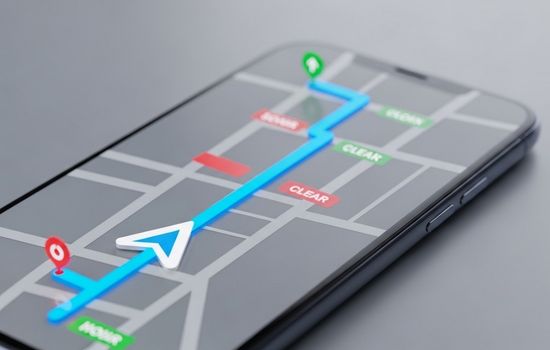
GPS navigation apps have transformed how we travel, turning our smartphones into powerful personal guides that help us reach any destination with confidence and ease.
Anúncios

Whether you’re navigating through unfamiliar city streets, planning a cross-country road trip, or simply trying to avoid rush hour traffic, GPS applications have become indispensable tools in our daily lives. These digital companions offer far more than basic directions—they provide real-time traffic updates, alternative routes, points of interest, and even social features that connect drivers worldwide.
The evolution of GPS technology has been remarkable. What once required expensive dedicated devices now fits conveniently in our pockets, offering superior functionality and constant updates. Modern GPS apps leverage crowd-sourced data, artificial intelligence, and satellite technology to deliver incredibly accurate navigation experiences that adapt to changing road conditions instantly.
Anúncios
🚗 How GPS Navigation Apps Actually Work
Understanding the technology behind GPS apps helps appreciate their remarkable capabilities. These applications rely on a network of satellites orbiting Earth, constantly transmitting signals that your smartphone receives and processes to determine your exact location.
Your device calculates its position by measuring the time it takes for signals to arrive from multiple satellites. This process, called trilateration, requires signals from at least four satellites to determine your precise location including altitude. Modern smartphones combine GPS data with cellular tower information and Wi-Fi networks to improve accuracy, especially in urban environments where tall buildings can interfere with satellite signals.
Beyond basic positioning, GPS apps integrate mapping data, traffic information, and user reports to create comprehensive navigation solutions. They continuously monitor your movement, recalculating routes when you deviate from planned paths or when traffic conditions change ahead.
📱 Essential Features That Define Modern GPS Apps
Today’s GPS navigation applications offer an impressive array of features that extend far beyond simple turn-by-turn directions. Understanding these capabilities helps you choose the right app for your specific needs.
Real-Time Traffic Intelligence
The most valuable feature in modern GPS apps is real-time traffic monitoring. These systems analyze data from millions of users simultaneously, identifying slowdowns, accidents, and congestion as they happen. This information allows the app to suggest faster alternative routes, potentially saving you hours during your commute.
Advanced algorithms predict traffic patterns based on historical data, time of day, and special events. Some apps even learn your regular routes and proactively suggest departure times to avoid anticipated delays.
Voice-Guided Navigation
Hands-free operation has become standard, with sophisticated voice assistants providing clear, timely directions without requiring you to look at your screen. Modern voice guidance adapts to your driving speed, giving you advance notice of upcoming turns based on how quickly you’re traveling.
Many apps now support natural language commands, allowing you to search for destinations, report hazards, or adjust settings simply by speaking naturally rather than memorizing specific command phrases.


Offline Maps and Navigation
Reliable GPS apps allow you to download maps for offline use, ensuring navigation continues even without cellular connectivity. This feature proves invaluable when traveling internationally, exploring remote areas, or conserving data usage.
Offline functionality typically includes complete navigation features, search capabilities, and points of interest, though real-time traffic updates naturally require an active connection.
🌟 Popular GPS Apps and Their Unique Strengths
The GPS app marketplace offers numerous excellent options, each with distinctive features catering to different user preferences and navigation styles.
Community-Powered Navigation
Some GPS apps emphasize community participation, where drivers actively share road conditions, hazards, police presence, and other real-time information. This crowdsourced approach creates incredibly current data that helps everyone in the community navigate more safely and efficiently.
These platforms transform navigation into a collaborative experience, rewarding active participants with points and recognition while building extensive databases of road conditions, speed cameras, and potential dangers.
Comprehensive Ecosystem Integration
Major tech companies offer GPS apps that integrate seamlessly with their broader service ecosystems. These solutions connect with your calendar, email, contacts, and other services to provide proactive suggestions about when to leave for appointments, automatically pulling addresses from event invitations.
Such integration extends to smart home devices, smartwatches, and vehicle infotainment systems, creating unified experiences across all your technology.
Specialized Navigation Solutions
Certain GPS apps focus on specific use cases like trucking, cycling, hiking, or public transportation. These specialized tools account for vehicle dimensions, bike lanes, trail conditions, or transit schedules that general navigation apps might overlook.
Professional drivers benefit from apps that consider weight limits, bridge heights, hazardous material restrictions, and truck-specific routing that avoids residential areas or roads unsuitable for large vehicles.
🔋 Optimizing Your GPS App Experience
Getting the most from GPS navigation apps requires understanding how to configure and use them effectively while managing their impact on your device’s resources.
Battery Life Management
GPS navigation is notoriously power-hungry, constantly using your phone’s GPS receiver, screen, and processor. To extend battery life during long trips, reduce screen brightness, close unnecessary background apps, and consider using a car charger.
Many apps offer battery-saving modes that reduce visual effects, limit background data refresh, and adjust GPS precision slightly to conserve energy without significantly compromising navigation accuracy.
Data Usage Considerations
Streaming maps and traffic data can consume substantial mobile data. Download maps for your frequent routes or travel destinations before leaving on Wi-Fi connections. Most apps allow you to specify download areas by city, region, or custom boundaries.
Review your app settings to control how aggressively it updates traffic information and whether it downloads map updates automatically or only when connected to Wi-Fi.
🛡️ Privacy and Security in GPS Navigation
GPS apps necessarily collect location data to function, raising important privacy considerations that users should understand and manage actively.
Review your app’s privacy settings carefully, understanding what data is collected, how it’s used, and with whom it’s shared. Most apps allow you to limit location tracking to only when actively using the app rather than continuous background monitoring.
Consider the trade-offs between convenience and privacy. Features like personalized recommendations, saved home and work locations, and timeline histories require storing your movement patterns. Decide which features justify sharing additional information based on your personal privacy preferences.
Regularly review and delete your location history if your app stores it. Many services allow you to automatically delete old location data after a specified period, balancing useful history with privacy protection.
🚦 Advanced Navigation Techniques
Mastering your GPS app’s advanced features transforms it from a simple direction tool into a comprehensive travel assistant.
Multi-Stop Route Planning
Plan complex trips with multiple destinations efficiently by adding waypoints in strategic order. Advanced apps optimize stop sequences to minimize total travel time and distance, particularly useful for running errands or planning sightseeing tours.
Save frequently traveled routes for quick access, and share planned routes with others so they can follow the same path or meet you at specific points.
Customizing Route Preferences
Tailor navigation to your preferences by specifying whether to avoid highways, tolls, ferries, or unpaved roads. Some apps let you choose routes prioritizing scenic beauty over speed, perfect for leisure drives.
Adjust how aggressively the app reroutes you around traffic. Some drivers prefer sticking to familiar routes despite minor delays, while others want the absolute fastest option regardless of route complexity.
🌍 GPS Apps for International Travel
International travelers face unique navigation challenges that modern GPS apps address with specialized features and capabilities.
Download offline maps before traveling abroad to avoid international data charges while ensuring reliable navigation. Many apps offer entire country or continent downloads, providing comprehensive coverage without connectivity requirements.
GPS apps often include points of interest databases with restaurants, attractions, hotels, and services, many featuring user reviews and photos. This integration eliminates the need for separate travel guide apps, consolidating your travel tools.
Language support varies significantly between apps. Choose applications that offer navigation instructions in your preferred language and can display map labels in both local languages and your native tongue, helping you recognize street signs while understanding their meanings.
🚴 Beyond Driving: Alternative Transportation Modes
Modern GPS apps extend beyond automotive navigation, supporting diverse transportation methods with mode-specific routing and information.
Walking and Hiking Navigation
Pedestrian navigation prioritizes walkable paths, sidewalks, pedestrian crossings, and public stairs or elevators. Apps designed for walkers often include elevation profiles, estimated calorie burn, and accessibility information for those with mobility limitations.
Hiking-specific GPS apps feature topographic maps, trail conditions, difficulty ratings, and waypoint marking for backcountry exploration where traditional roads don’t exist.
Cycling Routes and Bike-Share Integration
Cyclists need routes considering bike lanes, trail access, traffic volume, and elevation changes. Dedicated cycling features identify bike-friendly roads, suggest routes matching your fitness level, and estimate arrival times based on typical cycling speeds.
Integration with bike-sharing services shows nearby available bikes and docking stations, seamlessly incorporating shared bicycles into multi-modal travel plans combining cycling with public transit.
Public Transportation Navigation
Transit-focused GPS apps display bus and train routes, schedules, real-time vehicle locations, and service alerts. They calculate optimal combinations of walking and public transportation, accounting for transfer times and service frequency.
These apps often support mobile ticketing, allowing you to plan routes, pay fares, and display tickets within a single application for streamlined urban travel.
💡 Future Developments in GPS Navigation
GPS technology continues evolving rapidly, with emerging innovations promising even more impressive navigation capabilities in coming years.
Augmented reality navigation overlays directional arrows and information directly onto live camera views of your surroundings, making navigation more intuitive, especially for pedestrians in complex urban environments or large parking structures.
Artificial intelligence increasingly personalizes navigation, learning your preferences, typical destinations, and driving habits to provide proactive suggestions. AI algorithms predict where you’re likely heading based on time, day, and context, often preparing routes before you even request them.
Integration with autonomous vehicle systems represents another frontier, as GPS apps evolve from guiding human drivers to providing routing intelligence for self-driving cars that require even more precise, comprehensive map data.
Enhanced indoor navigation uses Bluetooth beacons, Wi-Fi positioning, and building floor plans to guide users through airports, shopping malls, hospitals, and other large indoor spaces where satellite signals don’t reach effectively.
🎯 Choosing the Right GPS App for Your Needs
Selecting the optimal GPS navigation app depends on your specific requirements, travel patterns, and feature priorities.
Consider your primary use case. Daily commuters benefit most from apps with superior real-time traffic data and predictive routing. Frequent travelers need robust offline capabilities and international coverage. Professional drivers require specialized routing for vehicle types and cargo restrictions.
Evaluate the app’s ecosystem compatibility with your existing devices and services. If you’re heavily invested in a particular tech ecosystem, native integration often provides the smoothest experience across devices.
Test multiple options before committing. Most GPS apps are free or offer free trials, allowing you to compare interface designs, feature sets, and data accuracy in your actual usage scenarios.
Read recent reviews and check update frequency. GPS apps require regular updates to maintain map accuracy and add new features. Choose applications with active development and responsive support teams.
🔧 Troubleshooting Common GPS App Issues
Even the best GPS apps occasionally encounter problems. Understanding common issues and solutions helps maintain reliable navigation.
Poor GPS accuracy often results from outdated app versions, device settings, or environmental interference. Ensure your app and phone operating system are current, location services are enabled with high accuracy mode, and you have clear sky visibility when possible.
If routes seem suboptimal or outdated, check that map data is current by downloading the latest versions. Clear the app’s cache periodically to remove corrupted data that might cause navigation errors.
Voice navigation failures typically stem from volume settings, Bluetooth connection issues, or app permissions. Verify that navigation volume is adequate, Bluetooth devices are properly connected, and the app has necessary permissions for background audio.
🌟 Maximizing Your GPS Navigation Success
GPS navigation apps represent remarkable technological achievements that have fundamentally changed how we travel and explore our world. These pocket-sized guides offer capabilities that seemed impossible just years ago, combining satellite technology, artificial intelligence, and global connectivity into tools we now consider essential.
By understanding how these apps work, exploring their advanced features, and choosing solutions matching your specific needs, you transform simple navigation into comprehensive travel assistance. Whether commuting daily, exploring new cities, or embarking on cross-country adventures, modern GPS apps ensure you reach your destinations efficiently, safely, and with confidence.
The technology continues advancing rapidly, promising even more impressive capabilities that will further integrate navigation into our connected lives. Embracing these tools and learning to use them effectively opens new possibilities for exploration, making every journey smoother and more enjoyable than ever before. 🗺️✨
