
Anúncios
Remote control apps have revolutionized how we interact with our devices, transforming smartphones into powerful universal remotes for TVs, air conditioners, and smart home systems.

Gone are the days when losing the TV remote meant scrambling through couch cushions or juggling multiple controllers for different devices. Today’s technology offers a seamless solution that fits right in your pocket. With remote control applications, you can consolidate all your entertainment and home automation needs into a single, intuitive interface.
Anúncios
These innovative apps leverage your smartphone’s built-in infrared blaster or Wi-Fi connectivity to communicate with various electronic devices. Whether you’re adjusting the thermostat from bed, switching channels during a movie marathon, or managing your entire smart home ecosystem, remote control apps provide convenience that was once considered science fiction. 📱
What Makes Remote Control Apps Essential in Modern Homes
The modern household contains an average of 10-15 remote-controlled devices, from televisions and streaming boxes to sound systems and climate control units. Managing this many controllers creates clutter and confusion, especially when each device requires its own proprietary remote.
Anúncios
Remote control applications solve this problem elegantly by creating a unified control center on your smartphone. Instead of searching for the correct remote, you simply unlock your phone and access the appropriate virtual controller. This consolidation saves time, reduces frustration, and eliminates the need for multiple batteries and storage space.
Beyond simple convenience, these apps offer enhanced functionality that traditional remotes cannot match. They remember your preferences, allow custom button layouts, and often include features like voice control, gesture navigation, and programmable macros that execute multiple commands with a single tap.
How Remote Control Technology Actually Works 🔧
Understanding the technology behind remote control apps helps you appreciate their capabilities and limitations. These applications primarily use two methods to communicate with your devices: infrared (IR) transmission and network-based protocols.
Infrared technology mimics traditional remote controls by emitting invisible light pulses that devices recognize as commands. Some smartphones include built-in IR blasters specifically for this purpose. When your phone lacks this hardware, external IR adapters can bridge the gap, connecting via the headphone jack or USB port.
Network-based control operates differently, using your home’s Wi-Fi network to send commands directly to smart devices. This method offers greater range and doesn’t require line-of-sight, making it ideal for controlling devices in other rooms or behind cabinet doors. Many modern smart TVs, streaming devices, and home automation systems support this approach natively.
Bluetooth Connectivity for Enhanced Control
Some remote control apps leverage Bluetooth technology as a third communication method. This wireless standard provides reliable connectivity within approximately 30 feet, consuming minimal battery power while maintaining responsive control. Bluetooth works particularly well for audio devices, game consoles, and newer smart home gadgets.
Top Features to Look for in Quality Remote Apps
Not all remote control applications are created equal. The best options share several key characteristics that separate them from mediocre alternatives. When evaluating apps, prioritize these essential features:
- Comprehensive device compatibility: Support for multiple brands and device types ensures you can control everything from a single app
- Intuitive interface design: Clean layouts with logical button placement reduce learning curves and improve daily usability
- Customization options: The ability to create personalized remotes tailored to your specific devices and preferences
- Widget support: Quick-access widgets let you control devices without opening the full app
- Voice command integration: Hands-free control through Siri, Google Assistant, or built-in voice recognition
- Macro programming: Automated sequences that perform multiple actions with one command
- Regular updates: Ongoing development ensures compatibility with new devices and operating system versions
Additionally, consider whether the app requires account registration, contains intrusive advertisements, or demands unnecessary permissions. Privacy-conscious users should examine data collection policies before granting access to their smartphone’s features.
Setting Up Your Smartphone as a Universal Remote
Transforming your phone into a universal remote typically takes just a few minutes. The setup process varies slightly depending on your chosen app and device compatibility, but most follow a similar pattern.
First, download your selected remote control application from your device’s app store. Launch the app and grant any requested permissions—these usually include access to your Wi-Fi network, IR blaster (if available), and sometimes location services for enhanced device detection.
Next, add devices to your virtual remote collection. The app will typically scan your network for compatible smart devices, automatically detecting TVs, streaming boxes, and other connected equipment. For IR-controlled devices, you’ll manually select the brand and model from the app’s database, which often contains thousands of device profiles.
Testing and Fine-Tuning Your Configuration
After adding devices, test each function to ensure proper communication. Try basic commands like power, volume, and channel controls. If certain buttons don’t work correctly, most apps offer alternative code sets for the same device model—cycling through these usually resolves compatibility issues.
Once basic functionality is confirmed, customize button layouts, create favorite channel shortcuts, and program macros for common activities. For example, a “Movie Night” macro might dim the lights, turn on the TV, switch to your streaming device, and adjust the soundbar volume—all with a single tap. 🎬
Compatibility Considerations Across Devices and Brands
Device compatibility represents the most critical factor in choosing a remote control app. While some applications boast support for thousands of devices, real-world performance varies based on your specific hardware combination.
Older televisions and appliances that use IR technology generally work with any app that includes their manufacturer’s code set. Popular brands like Samsung, LG, Sony, and Panasonic enjoy widespread support across most remote apps. Lesser-known or regional brands may have limited compatibility, requiring trial and error to find an app that works.
Smart devices present different challenges. Each manufacturer implements proprietary protocols and APIs that apps must support individually. A remote app might control Samsung Smart TVs flawlessly while struggling with Vizio models, or vice versa. Checking user reviews specific to your device models helps avoid disappointment.
Cross-Platform Performance Differences
Android and iOS users experience different capabilities due to hardware variations. Many Android devices include IR blasters that enable direct control of non-smart appliances without additional hardware. Apple devices lack this feature, limiting iPhone users to Wi-Fi and Bluetooth-enabled devices unless they purchase external IR accessories.
However, iOS apps often receive more polished interfaces and smoother performance due to Apple’s controlled ecosystem. Android’s openness allows for more experimental features and deeper system integration but occasionally results in inconsistent experiences across different phone models.
Troubleshooting Common Remote App Challenges
Even the best remote control applications occasionally encounter issues. Understanding common problems and their solutions saves frustration and prevents unnecessary app switching.
Connection failures top the list of complaints. When your app suddenly can’t find devices that worked yesterday, first check that your phone and target devices share the same Wi-Fi network. Many home networks use separate bands (2.4GHz and 5GHz) or guest networks that isolate devices from each other. Ensuring everything connects to the same primary network usually resolves this issue.
For IR-based controls, line-of-sight problems cause most difficulties. Unlike traditional remotes with focused IR transmitters, smartphones emit weaker signals that require more precise aiming. Position your phone directly toward the device’s sensor, typically located near the power indicator light. Remove any obstacles between your phone and the device, and try increasing the signal strength in your app’s settings if available.
Battery Drain and Performance Optimization
Some users notice increased battery consumption after installing remote control apps. This typically occurs when apps continuously scan for devices or maintain persistent network connections. Adjust settings to disable background scanning when not actively using the remote features.
Performance lag—delayed response to button presses—often stems from network congestion or underpowered routers. Upgrading your Wi-Fi equipment or reducing the number of connected devices can improve responsiveness. For IR controls, ensure your phone’s IR blaster isn’t obstructed by cases or screen protectors that block the emitter.
Privacy and Security Implications to Consider 🔒
Granting an app control over your home devices raises legitimate privacy concerns. Remote control applications require network access and sometimes request permissions that seem excessive for their stated purpose.
Reputable apps need network permissions to discover and communicate with devices—this is unavoidable. However, requests for contacts, photos, or microphone access should raise red flags unless clearly justified by specific features. Review permission requests carefully and deny anything that seems unnecessary.
Data collection practices vary widely among developers. Free apps often monetize through advertising and analytics, collecting usage patterns, device information, and sometimes viewing habits. Read privacy policies to understand what data is gathered and whether it’s shared with third parties. Premium apps typically collect less personal information, funding development through purchase prices instead of user data.
Network security also deserves attention. Remote control apps that store credentials for smart home systems become targets for hackers if improperly secured. Choose apps that implement encryption for stored passwords and support two-factor authentication when available. Regularly update apps to receive security patches that address newly discovered vulnerabilities.
Advanced Features That Elevate User Experience
Beyond basic remote functionality, premium applications offer sophisticated features that transform how you interact with your entertainment and home systems.
Gesture controls replace button tapping with intuitive swipes and movements. Swipe up for volume increase, down to decrease, left and right to change channels—these natural motions make navigation feel more fluid than tapping individual buttons repeatedly.
Voice command integration extends convenience further, allowing completely hands-free operation. “Turn on the TV and switch to HDMI 2” or “Set the air conditioner to 72 degrees” become simple spoken requests rather than multi-step button sequences. This proves especially valuable when cooking, exercising, or carrying items. 🗣️
Smart Home Integration and Automation
The most powerful remote apps integrate with comprehensive smart home platforms like Google Home, Amazon Alexa, or Apple HomeKit. This connectivity enables cross-device automation that responds to triggers beyond simple button presses.
Imagine your morning routine: your phone’s alarm triggers a chain reaction that gradually increases bedroom lighting, starts the coffee maker, turns on the news, and adjusts the thermostat—all without touching a single app. Evening routines might lock doors, close smart blinds, activate security cameras, and switch your entertainment system to relaxation mode.
These scenarios require apps that go beyond simple remote control, functioning as central hubs within larger automation ecosystems. While not every user needs this complexity, those building comprehensive smart homes should prioritize apps with robust integration capabilities.
Cost Analysis: Free vs Premium Applications
Remote control apps span the pricing spectrum from completely free to premium subscriptions. Understanding what each tier offers helps determine the right investment level for your needs.
Free applications typically include advertisements, limited device support, or restricted features. They work well for basic use cases—controlling a single TV or air conditioner without requiring customization. However, frequent ads disrupt the seamless experience that makes remote apps appealing in the first place.
One-time purchase apps eliminate advertisements and unlock full feature sets for a single payment, usually ranging from $3 to $10. This model suits users who want advanced capabilities without ongoing costs. You receive the complete app upfront, though future major updates might require additional purchases.
Subscription-based apps charge recurring fees, typically $2-5 monthly or $15-30 annually. These often provide the most comprehensive device support, regular updates, cloud backup for configurations, and premium customer support. The subscription model makes sense for users with complex setups or those who value continuous improvements and new device compatibility.
Future Trends in Remote Control Technology
The remote control landscape continues evolving rapidly, driven by advances in smart home technology and artificial intelligence. Understanding emerging trends helps you make forward-looking choices when selecting apps today.
AI-powered predictive controls represent the next frontier. Rather than waiting for commands, future apps will learn your habits and anticipate needs. They’ll recognize when you typically watch TV and pre-warm your preferred settings, or automatically adjust lighting and temperature as your daily routine unfolds.
Augmented reality interfaces may soon overlay control options directly onto your physical environment. Point your phone’s camera at your TV, and virtual buttons appear on your screen, positioned over the actual device. This spatial awareness eliminates confusion about which remote controls which device, especially valuable in multi-TV households. 🔮
Expanded Device Ecosystems
As more appliances gain connectivity, remote control apps will manage increasingly diverse equipment. Refrigerators, washing machines, robotic vacuums, and even bathroom fixtures will integrate into unified control systems. Your morning routine might include remotely starting your shower to reach perfect temperature before you leave bed, then commanding your coffee maker while the shower warms.
Wearable device integration will extend control beyond smartphones. Smartwatches already offer basic remote functionality; future development will expand these capabilities while improving interfaces designed for small screens and quick glances.
Making the Most of Your Remote Control App Experience
Maximizing value from your remote control app requires more than just installation—strategic configuration and habit formation unlock the full potential.
Start by organizing devices logically. Group equipment by room or function rather than random order. Create “Living Room,” “Bedroom,” and “Home Theater” categories that mirror your physical space, making navigation intuitive even for family members or guests using your setup.
Invest time in macro programming. Those five minutes spent creating activity-based commands save hours over months of use. Program scenarios for different situations: “Morning News,” “Gaming Session,” “Date Night,” each triggering the appropriate devices with optimized settings.
Regularly review and update your configuration as devices change or new features release. Remote control apps evolve constantly; checking for updates ensures you benefit from improved compatibility, new device support, and enhanced functionality that developers continually add.
Choosing the Right App for Your Specific Needs ✨
No single remote control application suits everyone perfectly. Your ideal choice depends on your specific device ecosystem, technical comfort level, and budget constraints.
Users with primarily IR-controlled devices and Android phones with built-in IR blasters should prioritize apps with extensive code databases and strong IR functionality. Those managing smart home ecosystems need apps with robust Wi-Fi control and integration with platforms like Google Home or Alexa.
iPhone users face different considerations, requiring apps that excel at network-based control or are willing to invest in external IR accessories. Check compatibility with your specific iOS version, as older phones may lack support for newer app features.
Trial and error often proves necessary. Most quality apps offer free trials or limited free versions that let you test compatibility before committing financially. Download several options, test them with your actual devices, and evaluate which interface feels most natural for your usage patterns.
Consider long-term sustainability when making your final choice. Apps from established developers with positive track records are more likely to receive continued updates and support than those from unknown creators who might abandon projects. User review trends reveal whether developers actively address issues and incorporate feedback.
Embracing the Remote-Free Future
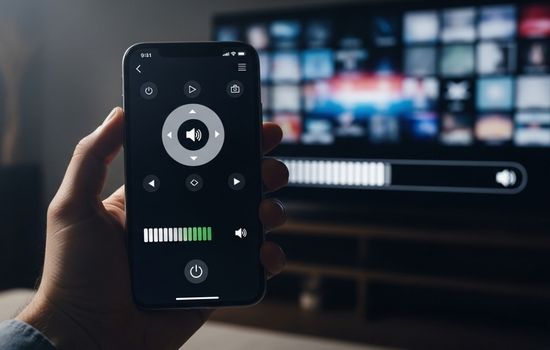
Remote control apps represent more than simple convenience—they exemplify how smartphones centralize our digital lives. By consolidating control of entertainment, climate, and home automation into a single device you already carry everywhere, these applications eliminate friction from daily routines.
The transformation extends beyond personal convenience. Families benefit from shared access to controls without fighting over physical remotes. Guests can use their own phones rather than learning unfamiliar button layouts. Accessibility improves for users with limited mobility or vision impairments who find touchscreen interfaces easier to navigate than small remote buttons.
As technology advances, the distinction between “remote control app” and “smart home hub” continues blurring. What begins as a simple TV remote evolves into comprehensive home management, coordinating dozens of devices through intuitive interfaces that respond to voice, gestures, presence, and learned preferences.
Taking the first step requires only downloading an app and spending a few minutes with setup. The resulting convenience, combined with expanded capabilities as you explore advanced features, makes remote control apps among the most immediately practical smartphone applications available today. Your next movie night, just a tap away, awaits. 🎯
