
Anúncios
Every day, you’re exposed to thousands of advertisements designed to make you feel something. These carefully crafted messages tap into your deepest emotions, shaping your buying decisions in ways you might not even realize.
🎭 The Hidden Language of Emotional Advertising
Advertising has evolved far beyond simple product descriptions and price announcements. Today’s marketers have become masters of emotional manipulation, using sophisticated psychological techniques to create powerful connections between brands and consumers. This isn’t necessarily malicious—it’s simply the reality of modern marketing in an oversaturated marketplace where rational arguments alone rarely win customers.
Anúncios
The science behind emotional advertising is rooted in decades of psychological research. Studies consistently show that people make purchasing decisions based primarily on emotions, then justify those decisions with logic afterward. This fundamental truth has transformed the advertising industry, shifting focus from product features to emotional experiences and identity construction.
Understanding how advertisers tap into your emotions isn’t about becoming cynical or resistant to all marketing. Rather, it’s about developing awareness that empowers you to make more conscious choices about what you buy and why you buy it.
Anúncios
The Six Core Emotions Advertisers Target Most
Advertising professionals typically focus on six primary emotional triggers that consistently drive consumer behavior. Each emotion serves a specific purpose in the marketing toolkit, and recognizing these patterns can help you identify when you’re being influenced.
😊 Happiness and Joy: The Feel-Good Factor
Positive emotions are among the most powerful motivators in advertising. Brands associate their products with happiness, creating mental shortcuts where purchasing becomes synonymous with feeling good. Coca-Cola’s “Open Happiness” campaign exemplifies this approach perfectly—the product itself becomes secondary to the emotional experience it promises.
Advertisements featuring smiling families, laughing friends, or people enjoying life create aspirational scenarios. Your brain processes these images and unconsciously links the product to those positive feelings. When you see the product later, your mind recalls the emotional association rather than any specific product attribute.
This technique is particularly effective because humans are naturally drawn to positive experiences. We want to recreate feelings of happiness and joy, making us more receptive to products positioned as gateways to these emotions.
😨 Fear: The Protective Instinct Exploited
Fear-based advertising operates on a different principle: highlighting problems you didn’t know you had, then positioning products as solutions. Insurance companies, security systems, and health products frequently employ this strategy. The message is clear—without this product, something bad might happen to you or your loved ones.
Fear triggers our survival instincts, creating urgency that bypasses rational decision-making. Advertisements showing home invasions sell security systems, while commercials featuring health crises sell insurance policies. The emotional intensity makes the product seem essential rather than optional.
However, ethical boundaries matter here. While some fear-based advertising provides genuine value by highlighting real risks, excessive fear-mongering manipulates consumers into unnecessary purchases driven by anxiety rather than need.
❤️ Love and Belonging: The Social Connection
Humans are inherently social creatures with deep needs for connection and belonging. Advertisers exploit this by positioning products as bridges to better relationships or markers of social acceptance. Jewelry commercials showing romantic proposals, smartphone ads featuring group video calls, or car advertisements highlighting family road trips all tap into our desire for meaningful connections.
This emotional trigger works because purchasing the product feels like investing in relationships. You’re not buying a diamond ring; you’re buying a symbol of eternal love. You’re not purchasing a minivan; you’re ensuring your family’s comfort and safety.
Social media platforms have amplified this technique exponentially. Advertisements now show real people (or influencers who seem real) using products within social contexts, making the emotional appeal even more relatable and powerful.
😤 Anger and Frustration: The Problem-Solution Dynamic
Identifying with consumer frustrations creates powerful emotional bonds. Advertisements that begin with “Tired of…” or “Fed up with…” acknowledge your pain points, validating your feelings before presenting a solution. This technique makes you feel understood, creating receptivity to the advertised product.
Cleaning product commercials often showcase this approach—showing stubborn stains that won’t come out, followed by miraculous results from the advertised product. Technology ads frequently highlight how slow, complicated, or frustrating current solutions are before introducing their streamlined alternative.
The emotional journey from frustration to relief creates a memorable narrative arc that your brain processes as a complete story, making the product more memorable and desirable.
😢 Sadness: The Empathy Connection
Sadness might seem like an unlikely emotion to exploit in advertising, but it’s remarkably effective when handled correctly. Non-profit organizations pioneered this approach with heartbreaking images of suffering animals or children, but commercial brands have adopted subtler versions.
These advertisements create empathy by showing relatable struggles or losses, then positioning products as ways to prevent or overcome sadness. Insurance commercials showing families dealing with loss, then others protected by proper coverage, exemplify this technique.
The key is balance—too much sadness becomes depressing and viewers tune out, but the right amount creates emotional engagement that drives action. When you feel sad for someone in an advertisement, you’re more likely to remember both the emotion and the brand associated with it.
😎 Pride and Confidence: The Aspiration Factor
Luxury brands and lifestyle products frequently tap into desires for status, achievement, and self-esteem. These advertisements don’t just sell products—they sell identities and aspirations. Owning the product becomes a statement about who you are or who you want to become.
Athletic brands like Nike perfected this approach with campaigns featuring elite athletes and the tagline “Just Do It.” The message transcends shoes or clothing, touching on personal achievement, determination, and excellence. Purchasing becomes an act of self-expression and aspiration.
This emotional trigger is particularly powerful because it connects to fundamental human needs for self-actualization and recognition. The product becomes a tool for projecting your desired identity to the world.
🧠 The Neuroscience Behind Emotional Advertising
Modern advertising doesn’t rely on guesswork—it’s informed by sophisticated neuroscience research that reveals exactly how our brains process emotional stimuli. Brain imaging studies show that emotional responses activate the amygdala and limbic system before engaging the prefrontal cortex responsible for rational thinking.
This neurological sequence explains why emotional appeals are so effective. By the time your rational brain evaluates a purchasing decision, your emotional brain has already formed an opinion. Advertisers design campaigns specifically to trigger these emotional responses quickly, creating favorable impressions before logical analysis begins.
Neuromarketing research has identified specific visual and auditory elements that maximize emotional impact. Certain colors evoke particular feelings—red creates urgency, blue builds trust, yellow generates optimism. Music choice dramatically affects emotional response, with major keys feeling uplifting while minor keys create tension or melancholy.
Even the pacing of advertisements is scientifically calibrated. Quick cuts create excitement and energy, while slow transitions feel more contemplative and luxurious. Every element is intentionally designed to generate specific emotional states that align with brand messaging and product positioning.
Storytelling: The Ultimate Emotional Vehicle 📖
Humans have responded to stories for thousands of years, and advertisers have mastered this ancient art form. Story-based advertisements create emotional journeys that engage viewers far more effectively than straightforward product pitches.
Effective advertising stories follow classic narrative structures: a relatable protagonist faces a challenge or desire, encounters obstacles, then discovers a solution (conveniently, the advertised product). This structure mirrors the stories we’ve absorbed since childhood, making the format feel familiar and compelling.
The emotional power of storytelling lies in identification. When you see yourself in an advertisement’s protagonist, their emotions become your emotions. Their problems feel like your problems, and their solutions become your potential solutions. This psychological transportation makes you more receptive to the marketing message because you’ve experienced it vicariously.
Super Bowl commercials often exemplify storytelling excellence precisely because advertisers invest millions in creating memorable narratives. These aren’t just advertisements—they’re mini-films designed to generate emotional responses that last long after the game ends.
The Role of Music and Sound in Emotional Manipulation 🎵
Audio elements in advertising carry enormous emotional weight, often operating below conscious awareness. The right soundtrack can transform a mediocre advertisement into an emotional powerhouse, while poor audio choices can undermine even brilliant visuals.
Music triggers emotional memories and associations instantaneously. Nostalgic songs transport you to specific times and places, while upbeat contemporary music feels current and exciting. Advertisers carefully select music that aligns with their target demographic’s emotional landscape and cultural references.
Sound design extends beyond music to include voice acting, ambient sounds, and even strategic silence. A warm, trustworthy voice creates different emotions than an excited, energetic one. Background sounds—children playing, waves crashing, city streets bustling—establish context and mood without explicit statements.
The combination of visual and audio elements creates synesthetic experiences where senses reinforce each other, amplifying emotional impact exponentially. This multisensory approach ensures advertisements register emotionally even if viewers aren’t paying full attention.
Color Psychology: The Subtle Emotional Influencer 🎨
Colors communicate emotions and meanings without words, making them powerful tools in the advertiser’s arsenal. Different cultures assign varying meanings to colors, but certain associations appear consistently across markets.
Red generates excitement, passion, and urgency—explaining why it’s ubiquitous in clearance sales and fast food branding. Blue conveys trust, stability, and professionalism, making it popular for financial institutions and technology companies. Green connects to nature, health, and sustainability, increasingly important as environmental consciousness grows.
Color choices in advertisements aren’t aesthetic preferences—they’re strategic decisions based on emotional impact. The background colors, product packaging, logo design, and even clothing worn by models all contribute to the overall emotional message.
Interestingly, color psychology works even when we’re unaware of it. Studies show that people form impressions and make judgments based on color within milliseconds, long before conscious thought engages. Advertisers exploit this automatic response to create favorable emotional contexts for their messages.
🤳 Social Proof and FOMO: Modern Emotional Triggers
Digital advertising has introduced new emotional manipulation techniques centered on social validation and fear of missing out. These approaches tap into deeply rooted needs for acceptance and anxiety about exclusion.
Social proof advertisements show other people using and enjoying products, triggering the psychological principle that we look to others for behavioral guidance. User testimonials, influencer endorsements, and “X million people use this product” claims all leverage social proof to make products seem more desirable and trustworthy.
FOMO (fear of missing out) creates urgency through limited-time offers, countdown timers, and “only X remaining” messages. This technique generates anxiety about potential regret, pushing you toward immediate action rather than careful consideration. The emotional discomfort of potentially missing an opportunity often overrides rational assessment of whether you actually need the product.
These digital-age techniques are particularly effective because they combine multiple emotional triggers simultaneously—belonging, fear, urgency, and validation—creating powerful psychological pressure to purchase.
Celebrity Endorsements: Borrowing Emotional Connections ⭐
When celebrities endorse products, they transfer their established emotional connections with audiences to brands. Fans don’t just admire celebrities—they form parasocial relationships involving genuine emotional attachment. Advertisers purchase access to these emotions when they hire celebrity endorsers.
This technique works through association. If you admire a celebrity’s talent, lifestyle, or values, products they endorse inherit some of that positive regard. The emotional connection you feel toward the celebrity extends to the brand, creating favorable impressions even without rational product evaluation.
Influencer marketing amplifies this effect by making endorsements feel more authentic and relatable. Unlike traditional celebrities who seem distant, influencers cultivate intimate connections with followers through regular content and interaction. Their product recommendations feel like advice from friends rather than paid advertisements, making the emotional manipulation more subtle and effective.
Recognizing When You’re Being Emotionally Manipulated 🔍
Awareness is your most powerful tool against unconscious emotional manipulation. While you can’t eliminate emotional responses to advertising—nor should you necessarily want to—you can develop critical thinking skills that help you make more intentional purchasing decisions.
Start by pausing when you feel a strong urge to purchase something after seeing an advertisement. Ask yourself what emotion the ad triggered and why. Are you buying the product because you genuinely need it, or because the advertisement made you feel something you want to sustain or avoid?
Notice patterns in advertising that repeatedly appear across brands and industries. Once you recognize the standard emotional manipulation techniques, they become less effective. Understanding that a commercial is using fear tactics or aspiration messaging helps you evaluate products more objectively.
Consider creating a waiting period before purchases inspired by advertisements. If you still want the product after a few days without the emotional stimulus of the advertisement, it’s more likely a genuine need rather than an impulse driven by emotional manipulation.
The Ethics of Emotional Advertising: Where’s the Line? ⚖️
The question of whether emotional advertising is inherently unethical deserves consideration. Not all emotional appeals are manipulative in negative ways—some simply communicate value and benefits in compelling formats. The ethical line becomes blurred when advertisements exploit vulnerabilities, create false needs, or prey on insecurities.
Advertising that genuinely matches products with people who benefit from them serves a valuable function. Emotional appeals that help consumers understand how products might improve their lives provide useful information packaged in memorable ways. The problem arises when emotional manipulation prioritizes sales over consumer welfare.
Vulnerable populations—children, elderly individuals, people experiencing crisis—deserve particular protection from aggressive emotional manipulation. Many countries restrict advertising directed at children precisely because their developing brains can’t adequately defend against sophisticated emotional appeals.
As consumers, supporting ethical brands that prioritize honest communication over manipulation sends market signals encouraging better practices. Your purchasing choices collectively shape advertising standards, making conscious consumption a form of ethical participation.
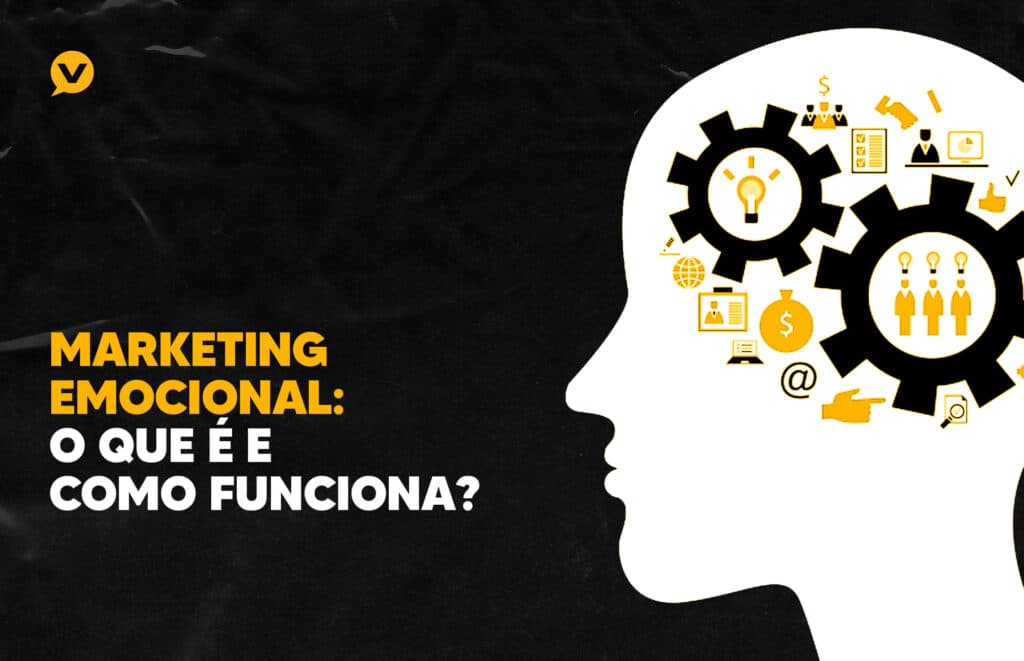
Turning Awareness Into Empowerment 💪
Understanding emotional manipulation in advertising doesn’t mean becoming cynical or resistant to all marketing. Instead, it means approaching advertisements as informed consumers who recognize persuasion techniques and make conscious choices about how to respond.
Emotions aren’t enemies—they’re valuable sources of information about our needs and desires. The goal isn’t to eliminate emotional responses but to balance them with rational evaluation. Ask yourself whether the emotion an advertisement triggers reflects genuine alignment with your values and needs, or whether it’s a manufactured feeling designed to drive sales.
This awareness also helps you appreciate genuinely creative and well-crafted advertising. When emotional appeals are honest, artistic, and respectful of consumer intelligence, they can be entertaining and informative rather than manipulative. Recognizing the difference allows you to enjoy advertising as a cultural form while maintaining healthy skepticism.
Ultimately, the power of emotional manipulation in advertising reflects deeper truths about human psychology and decision-making. We are emotional beings who use feelings as navigation systems through complex choices. Advertisers will continue leveraging this reality, but armed with awareness, you can ensure your emotions serve your interests rather than simply boosting corporate profits.
The next time an advertisement makes you feel something strong—whether joy, fear, desire, or belonging—pause and acknowledge what’s happening. Recognize the technique, appreciate the craft if it’s well-executed, then make your purchasing decision based on conscious values rather than unconscious emotional triggers. This approach transforms you from a target of manipulation into an empowered consumer who chooses when and how emotions influence your decisions.
