
Anúncios
Empathy is more than just understanding others—it’s a biological process that shapes how we connect, communicate, and build meaningful relationships throughout our lives.
🧠 The Biological Foundation of Human Connection
Our brains are fundamentally wired for connection. From the moment we’re born, neural pathways develop specifically to help us understand and respond to the emotions of those around us. This intricate network of neurons forms the biological basis for empathy, a capacity that distinguishes us as deeply social beings.
Anúncios
The neuroscience of empathy reveals that our ability to connect with others isn’t merely a learned behavior—it’s embedded in our brain architecture. Multiple regions work in concert to process emotional information, interpret social cues, and generate appropriate responses that strengthen our bonds with others.
Understanding the neural mechanisms behind empathy provides insight into why some relationships flourish while others struggle. It also explains why certain experiences enhance our empathetic abilities while trauma or stress can temporarily diminish them.
Anúncios
Mirror Neurons: Nature’s Connection Hardware
In the 1990s, Italian researchers made a groundbreaking discovery while studying macaque monkeys. They identified specialized neurons that fired both when an animal performed an action and when it observed another performing the same action. These mirror neurons revolutionized our understanding of empathy and social cognition.
Mirror neurons create an internal simulation of others’ experiences within our own neural circuitry. When you watch someone smile, your mirror neuron system activates the same brain regions that would fire if you were smiling yourself. This automatic mimicry forms the foundation of emotional resonance.
This neural mirroring extends beyond simple actions to complex emotions. When someone expresses sadness, your brain doesn’t just recognize their emotional state intellectually—it partially recreates that emotional experience within your own neural architecture. This is why watching someone in pain can make us physically uncomfortable.
The Mirror Neuron Network in Action
The mirror neuron system involves several interconnected brain regions, including the inferior frontal gyrus and the inferior parietal lobule. These areas work together to bridge the gap between observation and understanding, creating what neuroscientists call “embodied cognition.”
Research shows that individuals with more active mirror neuron systems tend to score higher on empathy assessments. They’re better at reading facial expressions, interpreting tone of voice, and responding appropriately to others’ emotional needs. This neural advantage translates directly into stronger, more fulfilling relationships.
The Empathy Circuit: A Complex Neural Orchestra 🎭
While mirror neurons provide the foundation, empathy involves a sophisticated network of brain regions working together. The anterior cingulate cortex, insula, and prefrontal cortex all play crucial roles in processing and responding to emotional information from others.
The anterior cingulate cortex acts as an emotional alarm system, detecting when others are experiencing distress. Studies using functional MRI scans show this region lighting up when people witness others in pain, suggesting we literally feel a version of their suffering.
The insula bridges emotional and physical sensations, helping us understand what others are feeling on a visceral level. This region integrates sensory information with emotional context, creating the gut feeling we experience when sensing someone’s distress or joy.
Cognitive vs. Emotional Empathy
Neuroscience distinguishes between two primary forms of empathy, each involving different neural pathways. Emotional empathy—feeling what others feel—relies heavily on the limbic system and mirror neurons. Cognitive empathy—understanding what others think—engages more executive function regions in the prefrontal cortex.
Both types are essential for healthy relationships, but they operate differently. Emotional empathy happens automatically and quickly, while cognitive empathy requires conscious effort and perspective-taking. The most successful relationships balance both forms, creating connections that are both emotionally resonant and intellectually understanding.
Oxytocin: The Bonding Chemical That Changes Everything
No discussion of empathy’s neuroscience is complete without examining oxytocin, often called the “love hormone” or “bonding chemical.” This neuropeptide plays a pivotal role in social bonding, trust formation, and empathetic responses.
Oxytocin is released during positive social interactions—hugging, meaningful conversations, acts of kindness, and intimate moments. Once released, it enhances our ability to read facial expressions, increases trust, and makes us more generous and cooperative toward others.
Research demonstrates that oxytocin administration (via nasal spray in controlled studies) increases empathetic accuracy and prosocial behavior. Participants become better at identifying emotions in others and more willing to help strangers, highlighting this neurochemical’s powerful influence on connection.
The Oxytocin Feedback Loop
Empathy and oxytocin create a positive feedback loop. Empathetic interactions trigger oxytocin release, which then enhances our empathetic abilities, leading to more positive interactions and more oxytocin. This cycle explains why strong relationships tend to strengthen over time while distant relationships gradually weaken.
This biological mechanism underlies the importance of consistent, positive contact in maintaining relationships. Regular empathetic exchanges literally rewire our brains to be more attuned to specific individuals, deepening our bonds through neurochemical reinforcement.
How Early Experiences Shape Our Empathetic Brain 👶
The capacity for empathy isn’t fixed at birth—it develops through experience, particularly during critical periods in childhood. Early interactions with caregivers lay the neural foundation for how we’ll connect with others throughout life.
Secure attachment relationships in infancy and childhood promote robust development of empathy circuits. Children whose emotional needs are consistently met develop stronger neural connections in regions associated with emotional regulation and social understanding.
Conversely, neglect, abuse, or inconsistent caregiving during developmental periods can impair empathy circuit development. This doesn’t mean empathy is permanently compromised, but it may require more conscious effort and therapeutic intervention to strengthen these neural pathways later in life.
Neuroplasticity: The Brain’s Ability to Change
The encouraging news is that our brains remain plastic throughout life. While childhood represents a particularly sensitive period for empathy development, adults can still strengthen their empathetic abilities through intentional practice and positive experiences.
Studies on meditation practitioners show increased gray matter density in regions associated with empathy and emotional regulation. Therapy, mindfulness practices, and conscious relationship work can all enhance empathetic neural circuits, demonstrating that connection skills are trainable at any age.
The Dark Side: When Empathy Circuits Misfire 🌑
Understanding empathy’s neuroscience also illuminates what happens when these systems malfunction. Conditions like psychopathy and certain personality disorders involve disrupted empathy circuits, particularly in regions processing emotional empathy.
Brain imaging studies of individuals with psychopathic traits reveal reduced activity in the amygdala and ventromedial prefrontal cortex when viewing others in distress. Interestingly, their cognitive empathy—understanding what others think—often remains intact, explaining how they can manipulate without feeling remorse.
Autism spectrum disorder presents a different pattern. Many autistic individuals have intact emotional empathy but struggle with cognitive perspective-taking due to differences in how their brains process social information. This highlights that empathy isn’t a single ability but a collection of interconnected neural processes.
Empathy Fatigue: When Compassion Becomes Overwhelming
Even well-functioning empathy circuits can become overwhelmed. Healthcare workers, therapists, and caregivers often experience empathy fatigue—a state where continuous exposure to others’ suffering depletes emotional resources and reduces empathetic responsiveness.
Neurologically, empathy fatigue involves dysregulation of stress response systems. The constant activation of empathy circuits without adequate recovery time leads to changes in cortisol patterns and reduced activity in regions associated with compassionate response.
Protecting against empathy fatigue requires establishing boundaries, engaging in self-care practices, and developing what researchers call “empathetic concern” rather than “empathetic distress.” This involves maintaining compassion while preventing others’ emotional states from overwhelming your own nervous system.
Practical Applications: Strengthening Your Connection Circuitry 💪
Understanding empathy’s neuroscience isn’t just academically interesting—it provides actionable strategies for improving relationships. Here are evidence-based approaches to enhance your empathetic abilities:
- Practice active listening: Fully focusing on others activates and strengthens mirror neuron systems, enhancing your ability to understand their perspective.
- Engage in mindfulness meditation: Regular meditation increases gray matter in empathy-related brain regions and improves emotional regulation.
- Limit multitasking during conversations: Divided attention reduces mirror neuron activation, diminishing your empathetic accuracy.
- Read fiction regularly: Narrative transportation into characters’ experiences provides safe practice for perspective-taking and enhances theory of mind.
- Maintain physical contact: Appropriate touch releases oxytocin, strengthening bonds and enhancing empathetic attunement.
- Express gratitude: Recognizing others’ positive impact activates reward circuits and strengthens relationship bonds.
- Challenge your assumptions: Actively considering alternative perspectives engages prefrontal regions involved in cognitive empathy.
Technology’s Double-Edged Impact on Connection
Digital communication presents unique challenges for empathy development. Text-based interactions lack the facial expressions, tone of voice, and body language that activate our mirror neuron systems most effectively.
However, technology also creates opportunities for connection across distances that would otherwise prevent relationship maintenance. Video calls activate more empathy circuits than text messages by providing visual and auditory social cues.
The key is intentional use—leveraging technology to supplement rather than replace face-to-face interactions when possible, and choosing richer communication channels (video over text) when in-person meetings aren’t feasible.
Building Empathy-Rich Relationships: A Neuroscientific Approach
Armed with understanding of empathy’s neural mechanisms, we can intentionally create relationship dynamics that strengthen connection circuits for both partners. Successful relationships aren’t just emotionally satisfying—they’re neurologically nourishing.
Regular positive interactions create neural associations between a specific person and oxytocin release, pleasure activation, and stress reduction. Over time, merely thinking about someone you’re deeply connected to can activate these beneficial neural patterns.
This explains why strong relationships improve physical health, mental wellbeing, and even longevity. They’re not just psychologically beneficial—they create lasting positive changes in brain structure and neurochemical patterns.
The Vulnerability-Connection Paradox
Neuroscience reveals an interesting paradox: vulnerability, which initially feels threatening to our nervous system, actually deepens connection when met with empathy. Sharing difficult emotions activates stress responses, but when another person responds with genuine empathy, it triggers powerful bonding neurochemistry.
This is why relationships that weather difficulties together often emerge stronger. The brain learns that this person is a source of safety during stress, creating deep neural associations between their presence and nervous system regulation.
The Future Frontier: Empathy in an Evolving World 🚀
As neuroscience continues advancing, our understanding of empathy grows more nuanced. Emerging research explores how diverse factors—from gut microbiome composition to genetic variations—influence empathetic capacity and expression.
Future therapeutic interventions may target specific aspects of empathy circuitry. Already, some treatments for social anxiety and autism spectrum disorder incorporate exercises designed to strengthen particular neural pathways involved in social cognition.
Virtual reality presents intriguing possibilities for empathy training. Immersive experiences that place people in others’ situations activate empathy circuits similarly to real experiences, potentially offering powerful tools for perspective-taking and compassion development.
Transforming Understanding Into Action
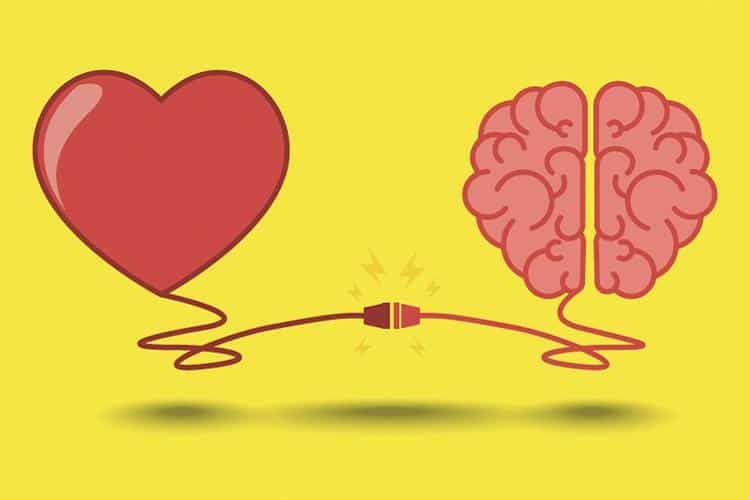
The neuroscience of empathy reveals a profound truth: we’re built for connection. Our brains dedicate substantial resources to understanding, feeling with, and responding to others. This isn’t a luxury or weakness—it’s fundamental to our nature as humans.
Every empathetic interaction strengthens neural pathways, making future connection easier and more rewarding. Every time you truly listen, validate someone’s feelings, or offer compassionate support, you’re not just helping them—you’re literally rewiring both brains toward greater connection capacity.
The relationships that shape our lives are more than abstract emotional bonds—they’re embodied in neural architecture, neurochemical patterns, and biological rhythms that synchronize between people who care deeply for each other.
Understanding empathy’s biological basis doesn’t reduce its beauty or significance. Instead, it reveals the elegant complexity of human connection and provides practical pathways for cultivating the relationships that make life meaningful.
By working with our brain’s natural connection systems rather than against them, we can build relationships characterized by deeper understanding, more authentic communication, and genuine mutual support. The power of connection lies not outside us but within the remarkable neural machinery that makes us human. ✨
