
Anúncios
Your brain processes millions of sensory inputs every second, yet most of this information vanishes instantly. Understanding and harnessing sensory memory can dramatically transform how you learn, remember, and interact with the world around you.
🧠 What Makes Sensory Memory Your Brain’s First Gateway
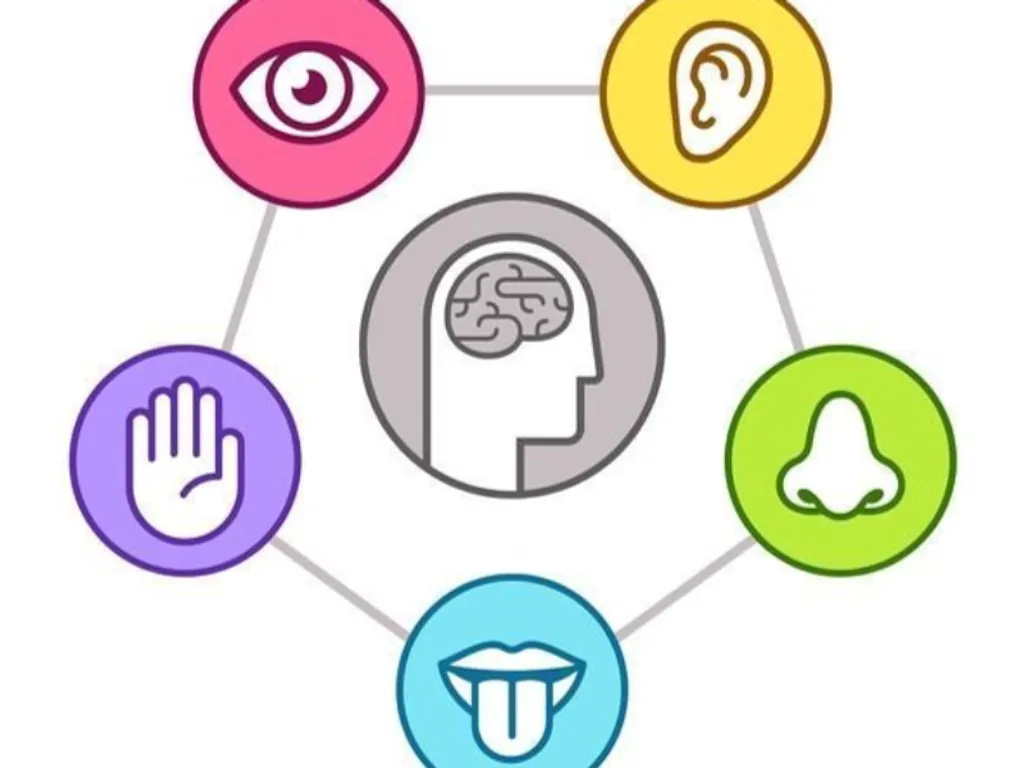
Sensory memory represents the initial stage of information processing in your cognitive system. This brief, automatic retention of sensory information occurs without conscious effort, capturing everything your senses detect for a fraction of a second. Think of it as your brain’s temporary holding area where raw data from sight, sound, touch, taste, and smell wait for further processing.
Anúncios
The fascinating aspect of sensory memory lies in its capacity and speed. While it can hold an enormous amount of information, this storage lasts only milliseconds to a few seconds. Your brain must quickly decide which sensory inputs deserve attention and which should be discarded forever. This constant filtering process happens thousands of times daily without you even realizing it.
Research indicates that sensory memory operates through distinct modalities. Iconic memory handles visual information, echoic memory processes sounds, and haptic memory deals with touch sensations. Each type follows unique timelines and characteristics, creating a complex network of initial information storage that forms the foundation of all your memories.
Anúncios
⚡ The Lightning-Fast World of Iconic Memory
Iconic memory, your visual sensory storage system, operates at incredible speeds. When you glance at a scene, your brain captures a complete photographic snapshot that lasts approximately 250 milliseconds. This ultra-brief window allows your cognitive system to extract meaningful patterns and details before the image fades completely.
Classical experiments by George Sperling in the 1960s revealed the remarkable capacity of iconic memory. Participants could recall entire rows of letters when cued immediately, demonstrating that the visual system captures far more information than what reaches conscious awareness. This discovery revolutionized our understanding of early visual processing.
Modern applications of iconic memory research extend into multiple fields. Video game designers leverage these principles to create immersive experiences, while educators use visual presentation techniques that align with iconic memory duration. Understanding these mechanisms helps you optimize how you consume and retain visual information in daily life.
Practical Strategies for Maximizing Visual Retention
To enhance your iconic memory capabilities, implement strategic viewing techniques. Allow your eyes to rest on important visual information for slightly longer periods, giving your brain additional processing time. This simple adjustment can significantly improve information transfer from sensory to short-term memory.
Create visual anchors by actively noticing distinctive features, colors, or patterns. Your brain naturally prioritizes unique or meaningful visual elements, making them more likely to progress beyond sensory storage. This technique proves especially valuable when studying diagrams, charts, or complex visual materials.
Reduce visual clutter in your environment to prevent sensory overload. When your iconic memory must process excessive competing stimuli, important information may get lost in the noise. Minimalist workspaces and organized study areas support more efficient visual information processing and retention.
🎵 Echoic Memory: The Sound That Lingers
Echoic memory preserves auditory information for three to four seconds, considerably longer than visual sensory storage. This extended duration serves crucial functions in language comprehension, allowing you to mentally replay spoken words while processing their meaning. Without echoic memory, understanding speech would become nearly impossible.
The evolutionary advantages of prolonged auditory storage become clear when considering survival needs. Sounds provide critical environmental information even when visual attention focuses elsewhere. Your ability to recall and identify sounds seconds after they occur enables rapid threat assessment and appropriate responses.
Musical training significantly enhances echoic memory capacity and duration. Musicians develop superior abilities to retain, analyze, and reproduce complex sound patterns. These skills transfer to other domains, improving overall auditory processing and even supporting language learning capabilities.
Amplifying Your Auditory Processing Power
Practice active listening exercises to strengthen echoic memory pathways. Focus intently on sounds, attempting to mentally replay them after they cease. This deliberate rehearsal extends the functional duration of your auditory sensory storage and improves accuracy in sound recognition.
Minimize background noise during important auditory tasks. Competing sounds interfere with echoic memory processing, making it harder to extract meaningful information from relevant audio streams. Creating quiet environments for learning and concentration supports optimal auditory information retention.
Engage with varied auditory experiences including music, podcasts, and different languages. Diverse sound exposure trains your echoic memory to handle multiple acoustic patterns, increasing flexibility and processing efficiency across different contexts and situations.
✋ Haptic Memory and the Power of Touch
Haptic memory, though less studied than its visual and auditory counterparts, plays vital roles in daily functioning. This sensory system retains tactile information for approximately two seconds, enabling you to recognize textures, temperatures, and physical sensations even after initial contact ends.
The integration of haptic memory with motor learning creates powerful skill acquisition pathways. When learning physical tasks, your brain combines tactile sensations with movement patterns, forming robust procedural memories. This explains why hands-on practice proves so effective for mastering new skills.
Touch-based interfaces on smartphones and tablets capitalize on haptic memory principles. The brief retention of tactile feedback helps users navigate digital environments more intuitively, creating seamless interactions between physical gestures and digital responses.
🔄 The Critical Transition: From Sensation to Perception
Understanding the pathway from sensory memory to conscious awareness reveals opportunities for enhanced information processing. Attention serves as the gatekeeper, determining which sensory inputs receive further processing and potential long-term storage. Your ability to direct attention strategically directly impacts learning efficiency.
Pattern recognition accelerates the transition from sensory to short-term memory. When incoming sensory data matches existing knowledge structures, your brain processes this information more rapidly and efficiently. Building rich knowledge networks creates more connection points for new information to anchor.
Emotional significance dramatically increases the likelihood of sensory information advancing to deeper processing stages. Your brain prioritizes emotionally relevant stimuli, explaining why emotionally charged experiences form stronger memories. Strategically linking new information to emotional contexts enhances retention.
Training Your Attentional Control Systems
Develop mindfulness practices to strengthen voluntary attention control. Regular meditation exercises train your brain to sustain focus on chosen stimuli while filtering distractions. This enhanced attentional capacity improves the quality and quantity of information passing through sensory memory bottlenecks.
Use the chunking technique to process larger information units efficiently. Your sensory memory captures raw data, but organizing this data into meaningful chunks during initial processing stages facilitates transfer to working memory. This strategy proves especially valuable when dealing with complex or dense material.
Implement strategic breaks during intensive learning sessions. Continuous sensory input without processing time leads to cognitive overload and reduced retention. Scheduled pauses allow your brain to consolidate information, clearing sensory pathways for fresh input.
📊 Measuring and Understanding Your Sensory Memory Capacity
While formal laboratory testing provides precise measurements, simple self-assessment techniques offer valuable insights into your sensory memory functioning. Try the classic partial report experiment at home: briefly flash a grid of letters and attempt to recall specific rows. Your performance indicates iconic memory capacity.
Auditory span tests measure echoic memory effectiveness. Have someone read random digit sequences at one-second intervals, then immediately recall them. Your accuracy across different sequence lengths reveals auditory sensory storage capabilities and identifies areas for improvement.
Understanding individual differences in sensory memory helps calibrate learning strategies to your strengths. Some people naturally excel at visual processing, while others demonstrate superior auditory retention. Identifying your dominant modality enables targeted skill development and compensatory strategy implementation.
🎯 Practical Applications Across Life Domains
Students can revolutionize study habits by aligning techniques with sensory memory principles. Create multi-sensory learning experiences that engage visual, auditory, and kinesthetic channels simultaneously. This redundancy increases the probability that important information survives the sensory memory stage.
Professionals benefit from sensory memory optimization in workplace contexts. During meetings, actively engage multiple sensory modalities by taking visual notes while listening attentively. This dual encoding strengthens memory formation and improves information recall during later decision-making processes.
Athletes leverage sensory memory insights to enhance performance. The brief retention of proprioceptive feedback allows for real-time movement adjustments. Training programs that emphasize awareness of tactile and kinesthetic sensations develop superior body control and skill execution.
Technology Integration for Sensory Enhancement
Digital tools offer innovative approaches to sensory memory training. Brain training applications provide targeted exercises that challenge specific sensory processing pathways. While results vary, consistent practice with evidence-based programs can yield measurable improvements in sensory memory function.
Virtual reality technologies create immersive multi-sensory environments ideal for memory training. These systems engage visual, auditory, and haptic channels simultaneously, providing comprehensive sensory stimulation that mirrors real-world complexity. VR applications show promise for cognitive rehabilitation and enhancement.
Wearable devices track physiological responses to sensory stimuli, providing feedback about attentional states and processing efficiency. This biofeedback helps users optimize environmental conditions and personal practices for maximum sensory memory performance.
🌟 Advanced Techniques for Memory Masters
Memory champions employ sophisticated strategies rooted in sensory memory principles. The method of loci transforms abstract information into vivid visual and spatial representations, capitalizing on iconic memory’s natural strengths. This ancient technique remains one of the most powerful memory enhancement tools available.
Synesthetic training deliberately creates cross-modal associations between different sensory modalities. Associating numbers with colors, sounds with shapes, or concepts with tactile sensations enriches sensory encoding. These multiple pathways increase information resilience and retrieval flexibility.
Spaced repetition systems optimize the timing of information review, accounting for sensory memory limitations and consolidation requirements. By strategically scheduling exposures to learning material, these systems maximize long-term retention while minimizing study time investment.
🔬 The Neuroscience Behind Sensory Processing
Brain imaging studies reveal the neural substrates supporting sensory memory systems. Visual sensory information initially activates primary visual cortex regions, while auditory stimuli engage temporal lobe structures. Understanding these pathways illuminates how sensory experiences transform into lasting memories.
Neurotransmitter systems modulate sensory memory efficiency. Dopamine and norepinephrine influence attention and sensory processing, explaining why arousal states affect information retention. Optimizing neurochemistry through sleep, exercise, and nutrition supports peak sensory memory performance.
Neuroplasticity research demonstrates that sensory memory systems remain trainable throughout life. Targeted practice reshapes neural circuits, enhancing processing speed and capacity. This finding offers hope for age-related cognitive decline and encourages lifelong learning engagement.
💡 Overcoming Common Sensory Memory Challenges
Sensory overload represents a prevalent modern challenge. Constant digital stimulation overwhelms processing capacities, reducing the quality of information transfer from sensory to long-term storage. Implementing regular digital detoxes and mindful technology use protects cognitive resources.
Age-related changes affect sensory memory systems, though impacts vary across modalities. While processing speed may decline, strategic compensation techniques maintain functional performance. Older adults can leverage accumulated knowledge and experience to support efficient information processing.
Stress and fatigue significantly impair sensory memory functioning. Chronic stress hormones interfere with attention and sensory processing pathways, reducing retention capacity. Prioritizing stress management and adequate rest protects these foundational cognitive systems.
🚀 Building Your Personalized Enhancement Program
Create a structured development plan targeting your specific sensory memory weaknesses. Begin with baseline assessments across visual, auditory, and haptic modalities. Set measurable goals and track progress over weeks and months to maintain motivation and adjust strategies.
Incorporate variety in your training regimen to prevent adaptation and maintain engagement. Rotate between different exercise types, difficulty levels, and sensory modalities. This diversity promotes comprehensive development while keeping practice sessions interesting and challenging.
Integrate sensory memory training seamlessly into daily routines. Brief five-minute exercises performed consistently yield better results than occasional intensive sessions. Make enhancement practices habitual rather than burdensome, ensuring long-term adherence and sustained improvement.
🌈 The Future of Sensory Memory Research and Application
Emerging technologies promise revolutionary advances in sensory memory enhancement. Brain-computer interfaces may eventually augment natural sensory processing capacities, creating hybrid systems that transcend biological limitations. While still experimental, these developments suggest exciting future possibilities.
Pharmaceutical approaches targeting sensory memory systems continue development. Cognitive enhancers that modulate neurotransmitter activity show promise for improving attention and sensory processing efficiency. However, ethical considerations and long-term safety profiles require careful evaluation.
Educational systems increasingly incorporate sensory memory principles into curriculum design. Multi-sensory teaching approaches aligned with cognitive science research produce superior learning outcomes. This evidence-based revolution in pedagogy benefits students across all age groups and subject areas.
⚡ Transforming Information Processing Starting Today
The journey to optimized sensory memory begins with awareness and intention. Every sensory experience offers opportunities to practice enhanced processing techniques. By consciously engaging with incoming information and strategically directing attention, you harness your brain’s natural capabilities more effectively.
Small consistent improvements compound over time, yielding dramatic long-term results. Your sensory memory systems respond to training, becoming faster, more accurate, and more efficient. These foundational enhancements ripple through all cognitive domains, supporting better learning, decision-making, and performance.
Remember that sensory memory represents just the beginning of your information processing journey. By mastering this crucial first stage, you create optimal conditions for everything that follows. The power to transform how you interact with information lies within your control, waiting to be unleashed through deliberate practice and strategic application of these principles.
Start today with one simple technique. Choose a single sensory modality to focus on this week. Notice the quality of your sensory experiences, experiment with attention strategies, and observe the results. This initial step begins a transformative process that can fundamentally enhance how you process, retain, and utilize information throughout your life.
