
Anúncios
Memory reconstruction is more than recalling events—it’s about weaving fragments of the past into narratives that resonate with truth, depth, and emotional power.
🧠 The Science Behind How We Remember and Reconstruct
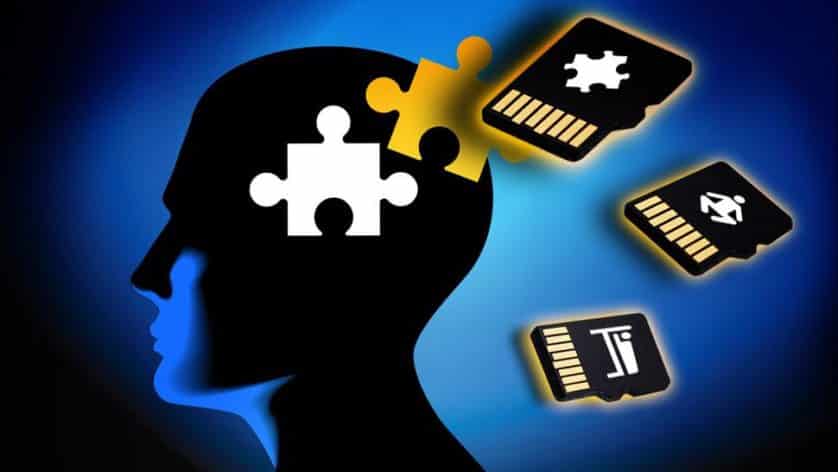
Our memories aren’t perfect recordings stored in mental filing cabinets. Instead, they’re dynamic reconstructions that our brains piece together each time we recall them. Neuroscience reveals that remembering is essentially an act of creation, where our minds fill gaps, connect dots, and sometimes embellish details based on emotions, beliefs, and subsequent experiences.
Anúncios
When we retrieve a memory, we’re actually reassembling it from scattered neural networks. The hippocampus plays a crucial role in this process, acting as a coordinator that brings together sensory details, emotional responses, and contextual information. This reconstruction process explains why two people can remember the same event differently, and why our own memories can shift over time.
Understanding this neurological foundation helps storytellers appreciate the malleable nature of memory. Rather than viewing this as a flaw, we can recognize it as the very mechanism that allows us to craft meaningful narratives from our experiences. The art lies in honoring the emotional truth while acknowledging the reconstructive nature of recall.
Anúncios
✨ The Difference Between Accuracy and Authenticity
Many aspiring memoir writers and personal storytellers become paralyzed by concerns about perfect accuracy. They worry about getting dates wrong, misremembering conversations, or contradicting other people’s versions of events. This concern, while understandable, can prevent powerful stories from being told.
Authenticity differs fundamentally from factual accuracy. While accuracy concerns itself with verifiable details—dates, times, exact words spoken—authenticity focuses on emotional truth and the genuine essence of an experience. A story can be authentically true in its emotional core while being reconstructed in its specific details.
Consider how you might remember a childhood birthday party. You may not recall the exact guest list or the specific gifts received, but you vividly remember the feeling of joy, perhaps the taste of cake, or a moment of disappointment when a friend couldn’t attend. These emotional impressions carry the authentic truth of that experience.
Balancing Both Elements in Your Narrative
The most compelling memory-based stories strike a balance between verifiable facts and emotional authenticity. They ground readers in concrete details where possible while honestly acknowledging the reconstructive nature of memory when necessary. Phrases like “as I remember it” or “the way it felt to me” can signal this awareness to readers.
Professional memoirists often conduct research to verify timelines, check facts with family members, and review photographs or documents. However, they also trust their emotional recall and the patterns they’ve identified in their experiences. This dual approach respects both historical truth and personal truth.
🎨 Techniques for Excavating Buried Memories
Memory reconstruction requires intentional effort. Our most meaningful experiences don’t always sit readily accessible in conscious awareness. They need to be coaxed out through specific techniques that bypass our analytical minds and access deeper emotional storage.
Sensory triggers prove remarkably effective for memory excavation. A particular scent can instantly transport you back decades. Music from a specific period can unlock entire emotional landscapes. Returning to physical locations where events occurred can flood you with forgotten details.
Free Writing as Archaeological Dig
Free writing—unstructured, uncensored writing without pausing—serves as one of the most powerful tools for memory reconstruction. Set a timer for fifteen to twenty minutes and write continuously about a period, person, or event without stopping to edit or judge what emerges.
This technique bypasses your inner critic and accesses memories before your conscious mind can filter them. Often, details you didn’t know you remembered will surface on the page. The key is maintaining momentum and trusting whatever comes without stopping to question its accuracy or importance.
Photo and Object Meditation
Spend time with photographs from the period you’re exploring, but don’t just glance at them. Study them deeply. Notice background details, expressions, clothing, and environmental context. What was happening just before and after the photo was taken? What sounds, smells, and conversations surrounded that frozen moment?
Physical objects from your past work similarly. Hold them, examine them, and allow associations to arise. An old ticket stub, a piece of jewelry, or a worn book can become a portal to entire memory networks you’d forgotten existed.
💫 Structuring Reconstructed Memories Into Coherent Narratives
Once you’ve excavated memories, the challenge becomes shaping them into stories that readers can follow and connect with emotionally. Raw memory fragments need narrative architecture to become compelling reading.
Consider what structure best serves your particular memory. Chronological ordering works for some stories, while others benefit from thematic organization or even reverse chronology. The structure you choose should enhance the emotional impact and meaning you’re trying to convey.
The Power of Scenes Over Summary
Memories become most vivid when rendered as scenes rather than summaries. Instead of telling readers “My grandmother was kind,” show a specific moment where her kindness manifested. Include dialogue, sensory details, and your internal reactions.
Even when you don’t remember exact words spoken, you can reconstruct the essence of conversations in a way that captures how people spoke and what they typically said. Most memoir readers understand that dialogue represents the spirit of exchanges rather than courtroom-accurate transcripts.
Creating Meaningful Connections
Individual memories gain power when connected to larger themes and patterns. As you reconstruct experiences, look for threads that run through multiple memories. Perhaps several memories illustrate your evolving relationship with authority, your journey toward self-acceptance, or your family’s particular way of expressing love.
These thematic connections help readers understand not just what happened, but what it meant and why it matters. They transform a collection of memories into a cohesive narrative with resonance beyond your personal experience.
🌊 Embracing Emotional Truth as Your Compass
When details blur and specifics escape you, emotional truth becomes your most reliable guide. How did an experience make you feel? What did you believe about yourself and the world in that moment? What changed in you as a result?
Emotions leave deeper imprints than facts. While you might not remember the color of a room where an important conversation happened, you’ll remember the tightening in your chest, the rush of relief or disappointment, the way time seemed to slow or speed up.
Mining the Emotional Landscape
To access emotional truth, ask yourself questions that bypass factual details. What did you most fear during this period? What did you hope for? Who did you want to be? What felt impossible? These questions unlock emotional authenticity even when specific memories remain fuzzy.
Writing from emotional truth also means acknowledging complexity. Few experiences are purely positive or negative. The birthday party that brought joy might also have held moments of social anxiety. The loss that devastated you might also have brought unexpected gifts. Honoring this complexity makes your reconstructed memories more authentic and relatable.
📖 Tools and Resources for Memory-Based Storytelling
Various tools can support your memory reconstruction and storytelling process. While the core work happens in your mind and on the page, certain resources can facilitate the journey.
Journal apps with timeline features help organize memories chronologically and thematically. Voice recording tools allow you to capture memories as they surface, before they slip away again. Mind mapping software can help you visualize connections between different memory fragments.
For those interested in collaborative memory reconstruction, apps that allow you to share memories with family members and collect their perspectives can provide valuable context and trigger additional recollections. However, remember that your version of events remains valid even when others remember differently.
🔍 Ethical Considerations in Memory Reconstruction
When reconstructing memories that involve other people, ethical questions arise. How do you honor your truth while respecting the privacy and dignity of others? When should you change names or identifying details? How do you handle memories that might harm living people if published?
These questions lack universal answers, but certain principles can guide your decisions. First, remember that your story belongs to you, and you have the right to tell it. Second, consider the impact on others and whether disguising certain details might preserve both truth and kindness. Third, accept that not everyone will agree with your version of shared events.
When Others Remember Differently
Conflicting memories among family members or others who shared experiences create particular challenges. Your sibling might remember your childhood home as warm and nurturing while you experienced it as cold and critical. Both memories can be authentically true from different perspectives.
Rather than engaging in debates about whose memory is “correct,” acknowledge that multiple truths can coexist. You might explicitly note in your narrative that others experienced situations differently, while standing firmly in your own truth. This approach honors both honesty and humility about memory’s subjective nature.
🚀 Transforming Personal Memory Into Universal Story
The most powerful memory-based stories transcend individual experience to touch something universal. Readers don’t need to have experienced your exact circumstances to recognize themselves in your emotional journey.
This transformation happens when you identify the human themes within your personal memories. A story about your specific grandmother becomes a story about intergenerational love, loss, and legacy. A memory of childhood bullying becomes an exploration of belonging, resilience, and identity formation.
The Particular Leads to the Universal
Paradoxically, the more specific and detailed your memory reconstruction, the more universal its appeal. Generic statements about feeling sad lack the power of a precisely rendered moment—the exact weight of your father’s hand on your shoulder, the particular shade of afternoon light through a window, the specific words that changed everything.
These concrete details anchor readers in your experience while simultaneously triggering their own memories and emotions. The particular creates an entry point into the universal, allowing readers to find their own stories within yours.
✍️ Practical Exercises for Developing Your Memory Reconstruction Skills
Like any craft, memory reconstruction improves with practice. These exercises can help you develop your skills and uncover material for compelling stories.
Try the “five versions” exercise: Write about the same memory five different times, each from a different angle or focusing on different aspects. First, write it as pure sensory experience. Second, focus entirely on emotion. Third, emphasize dialogue and interaction. Fourth, explore what you didn’t understand at the time. Fifth, reflect on how this memory connects to larger patterns in your life.
Another powerful exercise involves “mapping” a specific location from memory. Draw a floor plan or map of a significant place from your past—your childhood home, a school, a workplace. Label rooms and areas, then write about specific memories associated with each space. This spatial approach often unlocks forgotten details.
The Time Capsule Method
Choose a specific year from your past and create a comprehensive time capsule in writing. What music was playing? What were you wearing? Who were your friends? What did you worry about? What did a typical day look like? This exercise builds context that makes individual memories richer and more dimensional.
You can also try reconstructing a single day in exhaustive detail. Pick a significant date—a birthday, graduation, wedding, or loss—and write everything you can remember from waking to sleeping. When details escape you, note the gaps honestly. This exercise teaches you to distinguish between what you truly remember and what you might be assuming or imagining.
🌟 Finding Your Unique Voice in Memory-Based Storytelling
Your voice—the distinctive way you perceive, process, and express experience—is what makes your reconstructed memories uniquely valuable. No one else can tell your stories the way you can, because no one else has your particular consciousness, vocabulary, and emotional filter.
Developing your voice involves trusting your natural way of seeing and describing the world. Do you notice details others miss? Do you find humor in difficult situations? Do you tend toward poetry or plainspoken clarity? Your voice emerges when you stop trying to sound like other writers and commit to your own authentic expression.
Read your writing aloud to test whether it sounds like you. If sentences feel stilted or foreign in your mouth, revise toward your natural speaking patterns. While writing differs from speech, your written voice should feel like an extension of your authentic self rather than an imitation of literary voices you admire.
🎯 Bringing It All Together: Memory as Creative Act
Memory reconstruction represents one of the most profound creative acts available to us. We take the scattered fragments of lived experience and shape them into meaningful narratives that make sense of our lives and connect us to others.
This process requires courage—the courage to dive into difficult memories, to acknowledge what we don’t know, to claim our truth while respecting others, and to make our private experiences public. It demands craft—the skill to structure, pace, and render experience in ways that engage readers. And it calls for wisdom—the understanding that memory serves meaning-making more than documentary accuracy.
When you reconstruct memories with authenticity and emotional honesty, you create more than personal stories. You contribute to our collective understanding of what it means to be human. Your specific memories become part of a larger conversation about love, loss, growth, pain, joy, and transformation that spans cultures and generations.
The memories sleeping within you deserve to be awakened, examined, and shared. They hold not just your personal history but insights that might illuminate someone else’s present. By mastering the art of memory reconstruction, you become both archaeologist of your own experience and architect of narratives that matter—stories that honor truth while embracing the creative, reconstructive nature of how we remember, understand, and ultimately transform our lives into meaningful art.
