
Anúncios
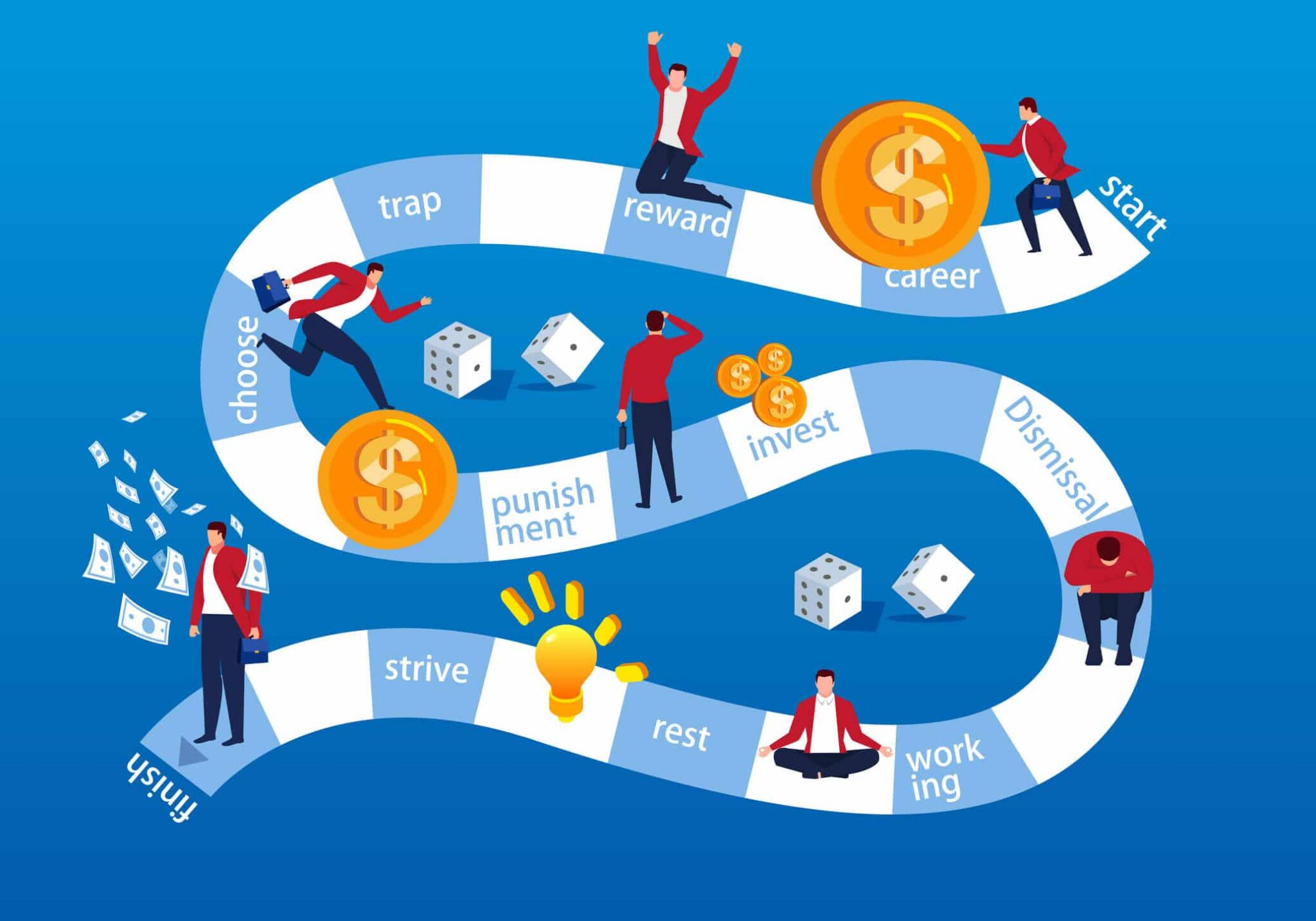
Gamification transforms ordinary interactions into compelling experiences by tapping into fundamental human desires for achievement, competition, and reward. Organizations across industries are discovering its power to boost engagement and deliver measurable results.
🎮 Understanding the Gamification Revolution
The digital landscape has fundamentally changed how people interact with brands, products, and services. Traditional engagement strategies often fall flat in an era where attention spans shrink and competition for user time intensifies. Gamification emerges as a powerful solution, borrowing mechanics from game design to create more engaging, memorable, and effective user experiences.
Anúncios
At its core, gamification isn’t about turning everything into a game. Instead, it strategically applies game-thinking and game mechanics to non-game contexts, motivating action, promoting learning, and solving problems. When implemented thoughtfully, gamification taps into intrinsic and extrinsic motivators that drive human behavior, creating experiences users genuinely want to return to repeatedly.
The psychology behind gamification’s success lies in how it addresses fundamental human needs. According to Self-Determination Theory, people are driven by needs for competence, autonomy, and relatedness. Gamification satisfies these needs by providing clear goals, meaningful choices, and social connections, creating a powerful engagement engine that traditional approaches struggle to match.
Anúncios
The Psychological Foundations Driving Gamification Success
Understanding why gamification works requires exploring the psychological mechanisms that make games so compelling. The dopamine-driven feedback loops created by game mechanics activate the brain’s reward centers, generating feelings of pleasure and accomplishment that reinforce continued engagement.
Progress visualization stands as one of gamification’s most powerful psychological tools. When users see their advancement through progress bars, experience points, or level systems, they experience a sense of achievement that motivates continued effort. This visual feedback transforms abstract progress into concrete, satisfying evidence of accomplishment.
The principle of variable rewards also plays a crucial role. Drawing from behavioral psychology research, unpredictable rewards create stronger engagement patterns than predictable ones. This explains why mystery rewards, random bonuses, and surprise achievements generate such powerful user responses, keeping people engaged longer and returning more frequently.
The Power of Social Dynamics
Humans are inherently social creatures, and gamification leverages this through leaderboards, team challenges, and social sharing features. These elements tap into our competitive nature while fostering community and belonging. Users aren’t just completing tasks; they’re participating in shared experiences that create emotional connections to the platform and fellow users.
Social proof mechanisms amplify engagement further. When users see peers achieving milestones, earning badges, or completing challenges, they’re motivated to participate themselves. This creates viral engagement loops where user activity naturally encourages more user activity, generating exponential growth in participation rates.
🚀 Implementing Gamification That Actually Works
Successful gamification requires more than randomly adding points and badges to existing systems. Strategic implementation begins with clearly defining objectives and understanding target audiences. What behaviors do you want to encourage? What motivates your specific users? These foundational questions guide effective gamification design.
Start by mapping user journeys and identifying friction points where engagement typically drops. These moments represent prime opportunities for gamification interventions. Perhaps users abandon onboarding processes halfway through, or engagement declines after initial signup. Targeted gamification elements can transform these weak points into compelling experiences.
Essential Gamification Mechanics
Different mechanics serve different purposes, and selecting the right combination depends on your goals and audience:
- Points systems provide immediate feedback and quantifiable progress, ideal for tracking engagement metrics
- Badges and achievements recognize specific accomplishments, satisfying the human desire for status and collection
- Levels and progression systems create long-term engagement structures with clear advancement paths
- Challenges and quests give users concrete goals and narrative context for their activities
- Leaderboards leverage competitive motivation while creating aspirational targets
- Virtual currencies and economies enable choice and create additional engagement layers
- Customization options satisfy needs for self-expression and personalization
The key lies not in implementing every possible mechanic but in selecting elements that align with user motivations and business objectives. A fitness app might emphasize personal progress and streak maintenance, while a learning platform might focus on mastery progression and knowledge badges.
Measuring Gamification Impact on Real Business Results
Implementing gamification without tracking results is like playing a game without keeping score. Establishing clear metrics before launch enables accurate assessment of impact and guides iterative improvements. The most successful gamification strategies connect game mechanics directly to meaningful business outcomes.
Engagement metrics provide immediate feedback on gamification effectiveness. Track daily active users, session duration, return frequency, and feature adoption rates. These indicators reveal whether your gamification elements successfully capture and maintain user attention.
Beyond Vanity Metrics
While engagement numbers matter, connecting gamification to bottom-line business results proves its true value. Depending on your context, this might mean:
- Increased conversion rates from free to paid tiers
- Higher customer lifetime value through extended retention
- Reduced customer acquisition costs via viral sharing and referrals
- Improved learning outcomes in educational contexts
- Greater productivity and performance in workplace applications
- Enhanced brand loyalty and advocacy
Behavioral analytics reveal how users interact with gamification elements, identifying which mechanics drive desired actions and which fall flat. Heat maps, funnel analysis, and cohort studies provide granular insights into user behavior patterns, enabling data-driven optimization.
⚡ Industry Applications Demonstrating Gamification Power
Gamification’s versatility appears across diverse sectors, each leveraging game mechanics to address unique challenges and objectives. Examining successful implementations across industries reveals patterns and principles applicable to various contexts.
Education and Learning Platforms
Educational technology represents one of gamification’s most natural applications. Language learning apps like Duolingo demonstrate how gamification transforms tedious skill acquisition into addictive daily practice. Streaks maintain consistency, experience points quantify progress, and leaderboards create friendly competition among learners.

Corporate training programs increasingly adopt gamification to improve knowledge retention and completion rates. Traditional training often suffers from low engagement and poor retention, but gamified approaches with scenario-based challenges, progress tracking, and achievement systems dramatically improve outcomes.
Health and Fitness Applications
Health apps leverage gamification to sustain motivation for behavior change, one of the most challenging aspects of wellness initiatives. Step tracking with daily goals, challenge competitions among friends, and achievement badges for fitness milestones transform abstract health objectives into concrete, rewarding activities.
The quantified self movement aligns perfectly with gamification principles. Users who might struggle with vague directives like “exercise more” respond enthusiastically to specific challenges like “complete a 30-day yoga streak” or “join the 10,000 steps challenge.” Gamification provides structure, accountability, and positive reinforcement for health behaviors.
Retail and E-commerce Enhancement
Retail brands implement gamification to increase purchase frequency, average order values, and customer loyalty. Points-based loyalty programs represent the most established form, but innovative retailers go further with tier systems that unlock exclusive benefits, surprise rewards, and gamified shopping experiences.
Product discovery becomes more engaging through gamified elements like spin-to-win promotions, scratch cards for discounts, and treasure hunt campaigns. These mechanics transform routine shopping into entertaining experiences while driving specific business objectives like inventory clearance or new product adoption.
Avoiding Common Gamification Pitfalls
Despite gamification’s potential, many implementations fail to deliver expected results. Understanding common mistakes helps designers avoid wasted effort and user frustration.
Over-gamification represents a frequent error where excessive game mechanics overwhelm core functionality. When every action triggers multiple notifications, badges, and point calculations, users become annoyed rather than engaged. Effective gamification enhances experiences without becoming intrusive or distracting from primary objectives.
The Extrinsic Motivation Trap
Relying exclusively on extrinsic rewards like points and prizes can backfire over time. Research shows that external rewards sometimes undermine intrinsic motivation, causing users to lose interest once rewards disappear. Sustainable gamification balances extrinsic rewards with intrinsic motivators like mastery, purpose, and autonomy.
Designing for meaningful progression rather than arbitrary point accumulation creates longer-lasting engagement. Users should feel they’re genuinely improving, learning, or accomplishing something valuable, not just collecting meaningless virtual tokens.
Ignoring User Diversity
Different users respond to different motivators. Bartle’s player types taxonomy identifies achievers, explorers, socializers, and killers, each engaging with games differently. Effective gamification offers varied mechanics appealing to diverse player types rather than assuming all users share identical motivations.
Competitive leaderboards might energize some users while discouraging others who prefer cooperative or solitary experiences. Providing multiple engagement paths ensures broader appeal and prevents alienating significant user segments.
🎯 Future Trends Reshaping Gamification Strategies
Gamification continues evolving as technology advances and user expectations shift. Understanding emerging trends helps organizations stay ahead in the engagement arms race.
Personalized gamification powered by artificial intelligence represents the next frontier. Rather than offering identical experiences to all users, AI-driven systems adapt game mechanics, difficulty levels, and reward structures based on individual behavior patterns and preferences. This personalization maximizes relevance and effectiveness for each user.
Blockchain and NFT Integration
Blockchain technology introduces new possibilities for gamification through verifiable digital ownership and cross-platform asset portability. Users can earn, collect, and trade digital assets that hold value beyond single applications, creating interconnected gamification ecosystems.
While still emerging, blockchain-based gamification could solve longstanding challenges around reward transferability and long-term value preservation. Users invest more deeply when achievements and rewards transcend individual platforms.
Augmented and Virtual Reality Experiences
Immersive technologies amplify gamification’s impact by creating more engaging, memorable experiences. AR transforms physical environments into interactive playgrounds, while VR enables fully gamified virtual spaces that weren’t previously possible.
Location-based AR games demonstrate how gamification can drive real-world behaviors and create hybrid digital-physical experiences. Brands leverage these technologies for innovative marketing campaigns, training programs, and customer experiences that stand out in crowded markets.
Building Sustainable Engagement Through Thoughtful Design
The most successful gamification strategies prioritize long-term engagement over short-term spikes. Creating sustainable systems requires understanding progression psychology and designing experiences that remain compelling over extended periods.
Variable difficulty curves keep users in the optimal engagement zone between boredom and frustration. Early challenges should be accessible and rewarding, building confidence and establishing habits. Difficulty then gradually increases, maintaining appropriate challenge levels as user skills develop.
Content refreshes and seasonal events prevent stagnation. Even perfectly designed systems eventually feel repetitive without new challenges, achievements, and experiences. Regular updates signal ongoing platform investment while giving established users new goals to pursue.
Community Building as Gamification Amplifier
Strong communities multiply gamification effectiveness by adding social dimensions that pure game mechanics can’t replicate. User-generated challenges, peer recognition systems, and collaborative goals transform individual experiences into shared journeys.
Community managers play crucial roles in fostering positive cultures where gamification enhances rather than toxifies interactions. Moderation systems, inclusive design choices, and mechanisms for celebrating diverse achievements create welcoming environments that sustain engagement.
Making Gamification Work for Your Context
Successfully implementing gamification requires adapting general principles to specific contexts rather than copying surface-level mechanics from successful examples. Begin by deeply understanding your users through research, interviews, and data analysis. What motivates them? What challenges do they face? What would make their experiences more enjoyable and effective?
Prototype and test gamification elements before full-scale implementation. A/B testing reveals which mechanics resonate with your specific audience and which fall flat. Iterative development based on real user feedback prevents costly mistakes and accelerates optimization.
Consider starting small with focused gamification in specific areas rather than attempting comprehensive transformation immediately. This approach limits risk while generating learnings that inform broader rollout strategies. Quick wins build organizational support and user enthusiasm for expanded gamification.
🏆 Transforming Engagement into Lasting Value
Gamification represents far more than adding superficial game elements to existing experiences. When thoughtfully designed and strategically implemented, it fundamentally transforms how users interact with products, services, and brands. By tapping into deep psychological motivators and creating genuinely enjoyable experiences, gamification drives engagement that translates into meaningful business results.
The organizations achieving greatest success with gamification share common characteristics: they prioritize user value over manipulation, design for diverse motivations, measure meaningful outcomes, and continuously iterate based on data and feedback. They understand that gamification serves as a tool for creating better experiences, not a trick for extracting more value from users.
As digital experiences become increasingly central to business success across industries, gamification’s importance will only grow. The gap between organizations that master engagement psychology and those that don’t will widen, creating significant competitive advantages for gamification leaders. Whether you’re building consumer apps, workplace tools, educational platforms, or customer loyalty programs, understanding and applying gamification principles effectively can transform results.
The question isn’t whether gamification works—countless case studies prove its effectiveness. The question is how you’ll apply these principles to create engaging, valuable experiences that users love and that drive your specific objectives. Start with clear goals, deep user understanding, and willingness to experiment. The results might surprise you with their power to transform engagement and drive extraordinary outcomes.
