
Anúncios
The countdown has begun. NASA’s Artemis II mission is about to take humanity closer to the Moon than we’ve been in over 50 years—and you can watch it all unfold live.


Imagine being part of a moment that defines our generation. Artemis II isn’t just another space mission—it’s the bold first step toward establishing a sustained human presence on the Moon, and eventually, Mars.
Anúncios
Four brave astronauts will venture farther than anyone has in decades, circling our celestial neighbor and proving that we’re ready to push the boundaries of exploration once again.
And here’s the best part: you don’t need a VIP pass or a degree in astrophysics to be part of this historic journey. Thanks to modern technology, NASA is bringing the mission directly to your screen, wherever you are.
Anúncios
Whether you’re a space enthusiast or just curious about what’s happening beyond our planet, this is your front-row seat to history. 🚀
Why Artemis II Matters More Than You Think
Let’s be real—we’ve all seen rocket launches on TV. But Artemis II is different. This isn’t just about sending people into space. It’s about reigniting the human spirit of exploration and proving that the impossible is still within our reach.
The last time humans traveled beyond low Earth orbit was during the Apollo missions in the 1970s. That’s over half a century ago! Artemis II marks the triumphant return of crewed lunar missions, testing critical systems and gathering data that will pave the way for Artemis III—the mission that will land the first woman and first person of color on the Moon.
But it goes deeper than just milestones and records. Artemis II represents collaboration, innovation, and the relentless pursuit of knowledge. It shows what happens when nations, scientists, engineers, and dreamers come together with a shared vision. And you get to witness every nail-biting, awe-inspiring moment.
Meet the Fearless Four: The Artemis II Crew 👨🚀👩🚀
Every great mission needs heroes, and Artemis II has found its dream team. These four astronauts have trained for years, enduring rigorous simulations, physical challenges, and countless hours of preparation—all for this moment.
Commander Reid Wiseman brings experience and steady leadership. Victor Glover will make history as the first person of color to venture beyond low Earth orbit. Christina Hammock Koch, who already holds the record for the longest single spaceflight by a woman, adds her expertise to the mix. And Jeremy Hansen, a Canadian Space Agency astronaut, represents the international spirit of this mission.
These aren’t just astronauts. They’re pioneers carrying the hopes and dreams of billions of people. And their journey will be broadcast live for the world to see.
How to Watch Artemis II Live: Your Complete Guide 📺
NASA has made it incredibly easy to follow the mission in real-time, no matter where you are. Here’s how you can tune in and become part of this historic event:
NASA’s Official YouTube Channel
The easiest way to catch every moment of Artemis II is through NASA’s official YouTube channel. They’ll be streaming live coverage from launch to splashdown, complete with expert commentary, behind-the-scenes footage, and real-time updates from mission control.
Simply search for “NASA” on YouTube or visit their verified channel. Set reminders for key mission milestones so you don’t miss a single second. The beauty of YouTube is that you can watch from your phone, tablet, computer, or smart TV—wherever you’re most comfortable.
Plus, NASA’s production quality is top-notch. You’ll get multiple camera angles, stunning visuals from space, and insights from the engineers and scientists who made this mission possible. It’s like having your own documentary crew following humanity’s greatest adventure.
The NASA App: Space in Your Pocket 📱
Want an even more immersive experience? Download the official NASA app, available for both Android and iOS devices. This incredible (and free!) app puts the entire mission at your fingertips.

The NASA app offers live streaming of the mission, push notifications for important updates, augmented reality features that let you see spacecraft in 3D, and access to thousands of images and videos from NASA’s archives. You can track the Orion spacecraft’s journey in real-time, read crew bios, and dive deep into the science behind the mission.
It’s perfect for those moments when you’re away from home but don’t want to miss anything. Whether you’re on your lunch break, commuting, or just relaxing in bed, the NASA app keeps you connected to the cosmos.
Netflix and NASA: A Surprising Partnership 🎬
Here’s something many people don’t know: Netflix has partnered with NASA to create exclusive documentary content around the Artemis program. While the live mission coverage happens on NASA’s platforms, Netflix offers deeper storytelling that explores the human side of space exploration.
These documentaries feature intimate interviews with astronauts, engineers, and their families. They show the months and years of preparation, the sacrifices made, and the dreams that drive people to reach for the stars. It’s the perfect complement to the live coverage—giving you context, emotion, and a richer understanding of what Artemis II truly represents.
Check Netflix for Artemis-related content, especially in the days leading up to and following the mission. It’s space storytelling at its finest, designed for everyone from casual viewers to dedicated space fans.
What to Expect During the Mission Timeline ⏱️
Artemis II is planned as an approximately 10-day mission, but every single day will be packed with critical activities and breathtaking moments. Here’s what you can look forward to:
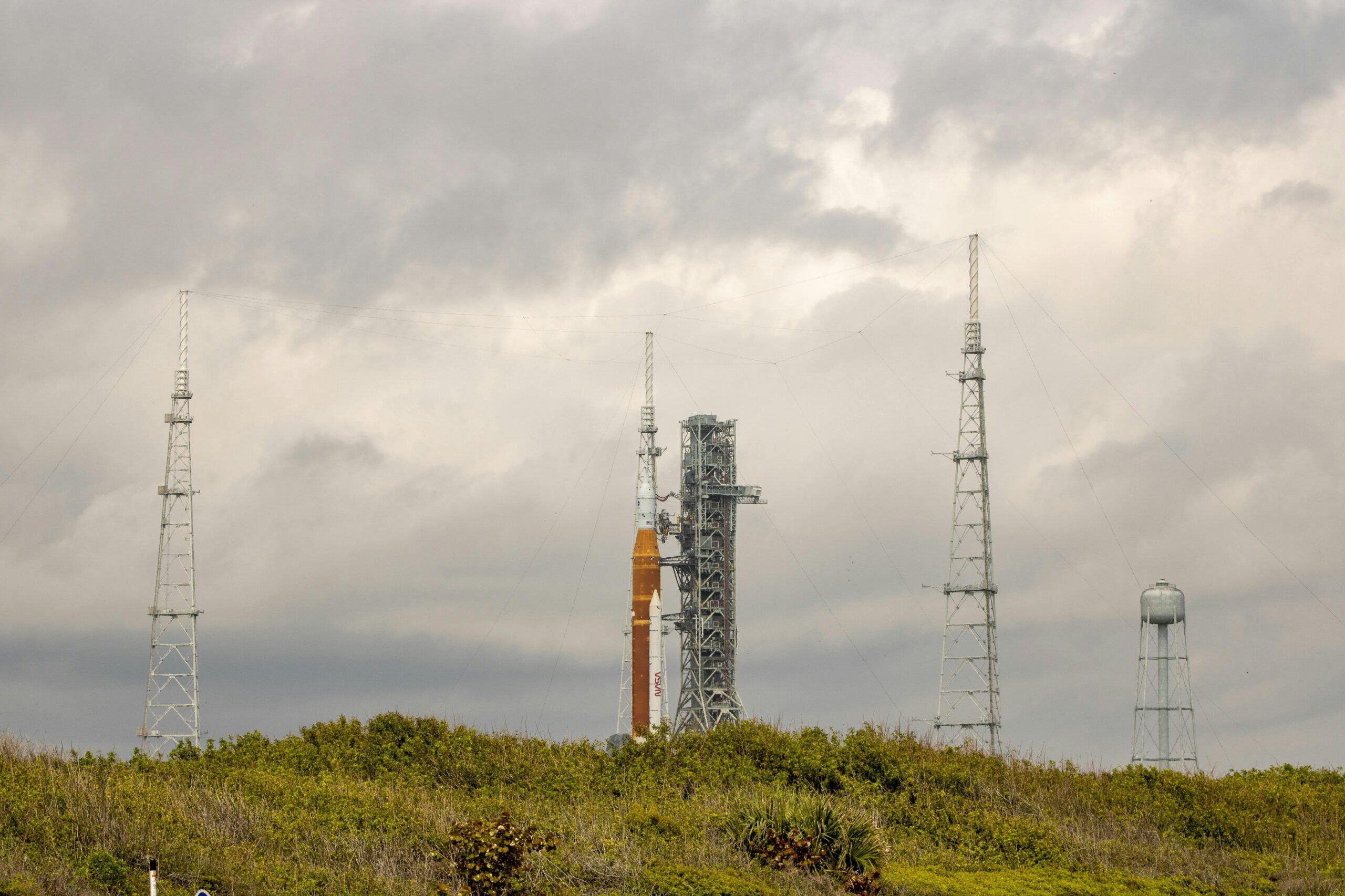
Launch Day: The mission begins with the thunderous liftoff of the Space Launch System (SLS)—the most powerful rocket NASA has ever built. Watching this beast lift off is an experience you’ll never forget, even through a screen.
Earth Orbit: After reaching orbit, the crew will perform system checks and prepare for the next phase. This is where mission control holds its breath, ensuring everything is functioning perfectly.
Trans-Lunar Injection: This is the moment the Orion spacecraft fires its engines to break free from Earth’s orbit and head toward the Moon. It’s the point of no return—and absolutely thrilling to witness.
Lunar Flyby: The astronauts will swing around the far side of the Moon, traveling farther from Earth than any human has since 1972. Cameras will capture stunning views of the lunar surface and our beautiful blue planet hanging in the darkness of space.
Return Journey: After completing their lunar orbit, the crew begins the journey home, testing the spacecraft’s life support systems and gathering crucial data for future missions.
Splashdown: The mission concludes with Orion splashing down in the Pacific Ocean, where recovery teams will be waiting to bring our heroes home safely.
Why Live Coverage Creates Unforgettable Moments 🌟
There’s something magical about watching history unfold in real-time. When you stream Artemis II live, you’re not just a passive observer—you’re a participant in a global experience that transcends borders, languages, and backgrounds.
Remember the collective excitement during the Apollo missions? Parents woke their children in the middle of the night to watch moonwalks. Strangers gathered around television sets in store windows. The entire world paused to witness humanity’s giant leap.
Artemis II offers that same opportunity for our generation. When something unexpected happens—whether it’s a stunning view of Earth from lunar distance or a technical challenge overcome by brilliant problem-solving—you’ll be there for it. Not reading about it hours later, but experiencing it as it happens.
These shared moments create lasting memories and inspire the next generation of scientists, engineers, and explorers. Your kids or grandkids will remember watching Artemis II with you, just as many of us remember the space shuttle launches or the International Space Station construction.
Getting the Most Out of Your Viewing Experience 🍿
To truly appreciate Artemis II, a little preparation goes a long way. Here are some tips to enhance your experience:
- Set up your viewing area comfortably. This mission spans days, so create a cozy space where you can drop in and watch at key moments.
- Follow NASA’s social media accounts for real-time updates, fun facts, and behind-the-scenes content that complements the live stream.
- Join online communities of space enthusiasts. Platforms like Reddit, Twitter, and Discord have active groups discussing every aspect of the mission.
- Use the NASA app’s augmented reality features to visualize the spacecraft and understand the mission’s scale.
- Watch with family and friends. Sharing this experience makes it even more meaningful and sparks great conversations.
- Keep a notebook handy to jot down questions or interesting observations. You can dive deeper into topics that fascinate you after the mission.
The Technology Making It All Possible 🔧
Artemis II showcases decades of innovation and engineering excellence. The Space Launch System generates 8.8 million pounds of thrust—more than the Saturn V rockets that carried Apollo astronauts to the Moon. The Orion spacecraft features cutting-edge life support systems, radiation protection, and navigation technology that would have seemed like science fiction just a generation ago.
But perhaps the most impressive technology is the one bringing this mission to your screen. NASA’s communication networks, satellite systems, and streaming infrastructure ensure that anyone with an internet connection can follow along. High-definition cameras mounted inside and outside Orion will capture perspectives we’ve never seen before.
This democratization of space exploration means you don’t need to be in Houston’s mission control or Florida’s Kennedy Space Center to be part of the action. You’re just as connected to the mission from your living room as anyone else on Earth.
What Happens After Artemis II? Looking to the Future 🔮
This mission is just the beginning. Artemis II proves that the Orion spacecraft and SLS rocket can safely carry humans to lunar distances. Once that’s confirmed, Artemis III will follow—landing astronauts on the Moon’s south pole, a region never before explored by humans.
Beyond that, NASA envisions the Lunar Gateway, a space station orbiting the Moon that will serve as a staging point for lunar landings and deep space missions. Eventually, the lessons learned from Artemis will enable the first crewed missions to Mars.
By watching Artemis II, you’re witnessing the foundation being laid for humanity’s multi-planetary future. Pretty incredible, right?
Join Millions Around the World in This Historic Moment 🌍
Space exploration has this unique ability to unite us. When astronauts look back at Earth from lunar distances, they see no borders, no divisions—just one beautiful, fragile planet that we all call home.
Artemis II reminds us that we’re capable of extraordinary things when we work together toward a common goal. It shows our children that dreams are worth pursuing, that challenges are meant to be overcome, and that the sky is definitely not the limit.
So mark your calendars, download the NASA app, subscribe to NASA’s YouTube channel, and prepare yourself for an unforgettable journey. Whether you catch every minute or just tune in for the highlights, you’ll be part of something that future generations will read about in history books.
The countdown is ticking. Four brave souls are preparing to venture farther from home than almost anyone has before. And you have a front-row seat to watch their incredible journey unfold, live and unedited, as it happens.
Don’t miss this chance to be part of history. The Moon is calling, and humanity is answering. Will you be watching when we take this giant leap forward? 🚀🌙
