
Anúncios
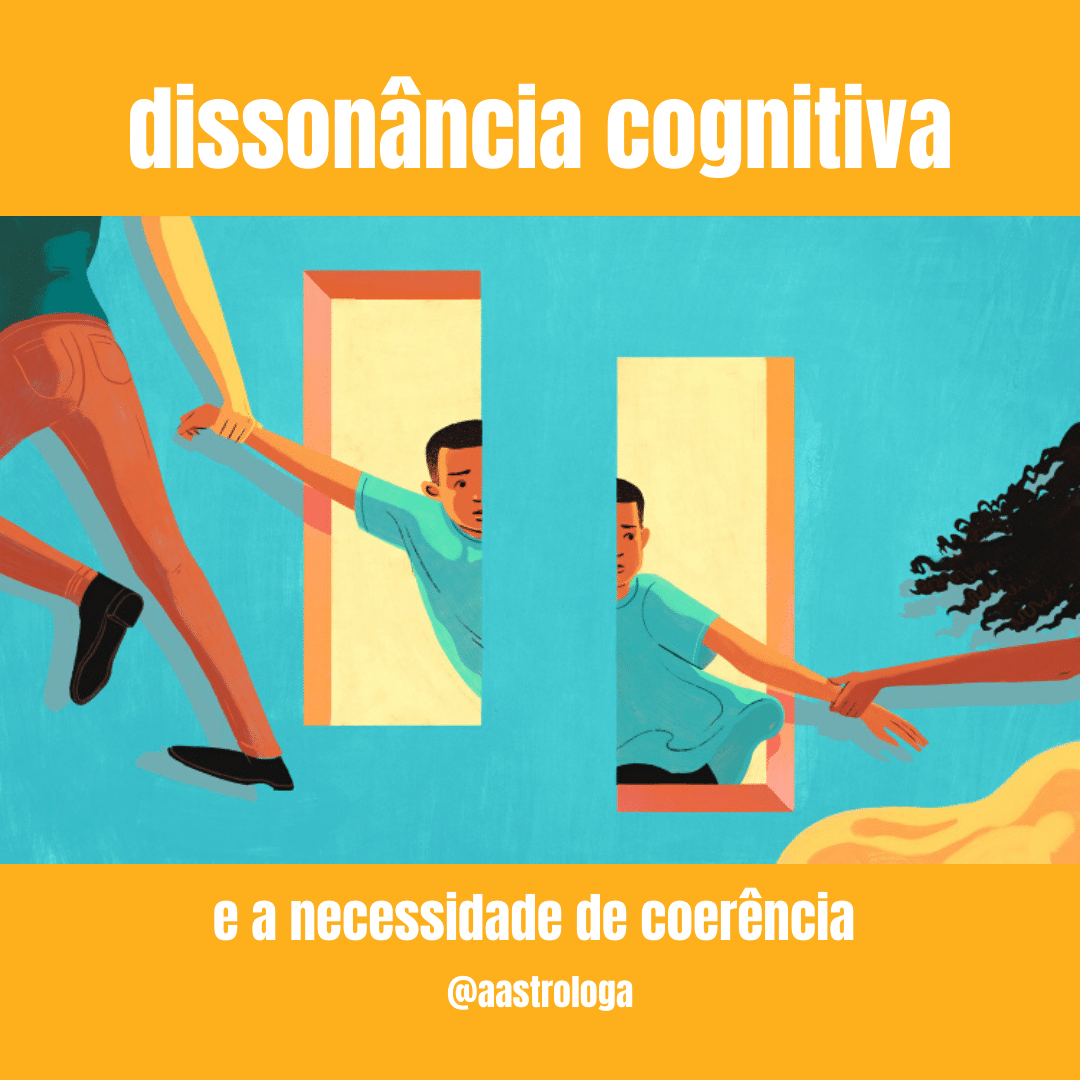
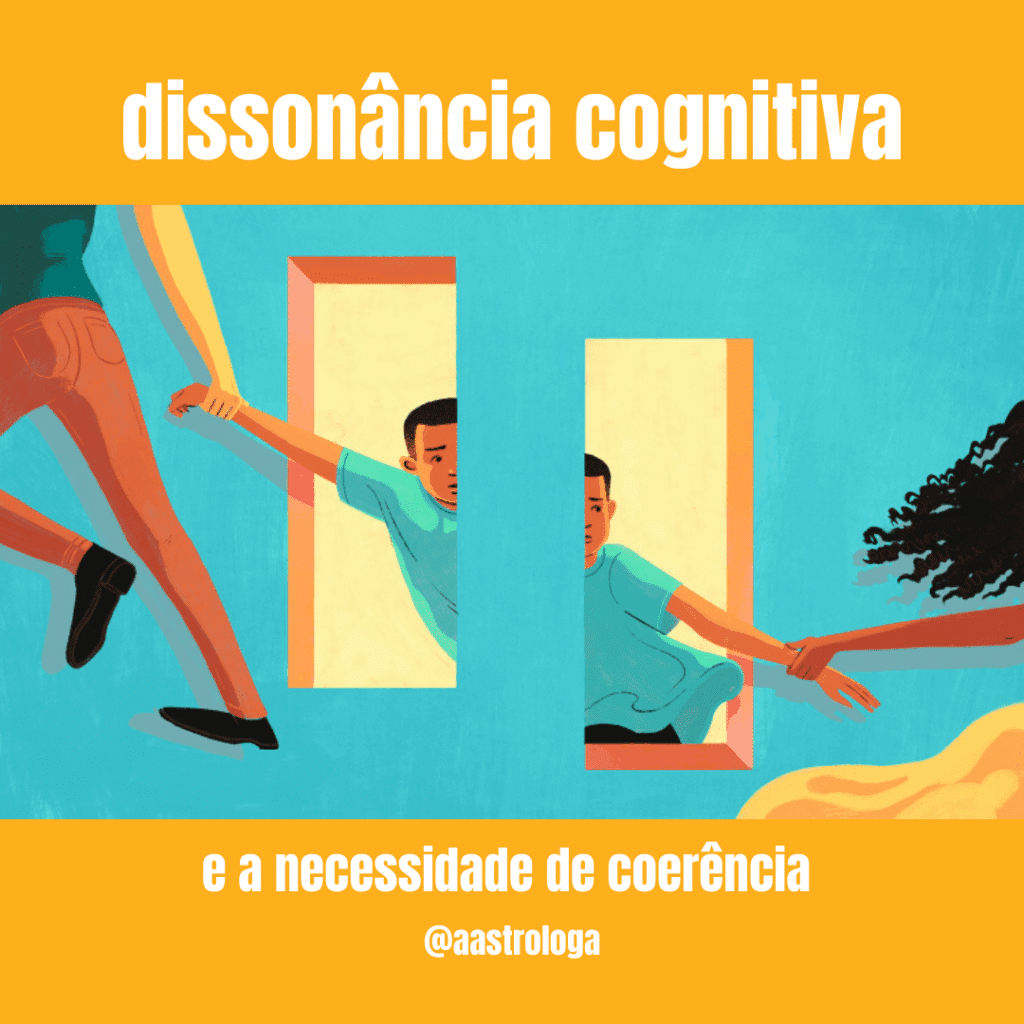
Cognitive dissonance is the psychological discomfort we experience when our beliefs, values, or behaviors conflict with one another, creating mental tension that demands resolution.
Every day, humans navigate a complex web of beliefs, attitudes, and behaviors. Sometimes these elements exist in perfect harmony, but more often than not, they clash in ways that create profound psychological discomfort. This internal conflict—known as cognitive dissonance—is one of the most powerful forces shaping human behavior, decision-making, and personal growth.
Anúncios
Understanding cognitive dissonance isn’t just an academic exercise; it’s a practical tool for self-awareness, improved relationships, and better decision-making. Whether you’re trying to understand why you justify unhealthy habits, struggle with conflicting values, or find it difficult to change ingrained behaviors, cognitive dissonance holds the key to unlocking these mysteries.
🧠 What Exactly Is Cognitive Dissonance?
Cognitive dissonance theory, first proposed by psychologist Leon Festinger in 1957, describes the mental discomfort that arises when a person holds contradictory beliefs, values, or attitudes simultaneously. This psychological state creates an internal pressure to reduce the inconsistency and restore mental equilibrium.
Anúncios
The theory suggests that humans have an inner drive to maintain consistency in their belief systems. When inconsistencies emerge, we experience psychological tension that motivates us to either change our beliefs, modify our behaviors, or rationalize the contradiction in some way.
Consider a simple example: You believe you’re an environmentally conscious person, yet you drive a gas-guzzling SUV. These two cognitions clash, creating dissonance. The discomfort you feel isn’t just intellectual—it’s visceral, emotional, and often unconscious.
The Three Core Components of Cognitive Dissonance
Cognitive dissonance operates through three fundamental elements that work together to create psychological tension:
- Cognition: This includes beliefs, attitudes, knowledge, or awareness about yourself, your behavior, or the world around you
- Inconsistency: The conflict that arises when two or more cognitions contradict each other
- Discomfort: The psychological tension or unease that motivates change or rationalization
The intensity of dissonance varies depending on several factors, including the importance of the conflicting beliefs, the number of dissonant beliefs, and the degree to which we can rationalize or justify the inconsistency.
Why Our Minds Create These Internal Battles
The human brain is extraordinarily efficient at creating coherent narratives about ourselves and the world. When information threatens these narratives, our psychological defense mechanisms kick into high gear. But why does this happen?
From an evolutionary perspective, cognitive consistency likely served an adaptive function. Maintaining stable beliefs and predictable behavior patterns helped our ancestors make quick decisions in life-or-death situations. Constantly questioning every belief would have been cognitively exhausting and potentially dangerous.
Today, this same mechanism influences everything from consumer choices to political beliefs. Our brains actively work to maintain internal consistency, even when evidence suggests we should change our minds. This explains why changing someone’s deeply held beliefs is so challenging—it’s not just about presenting facts; it’s about overcoming powerful psychological resistance.
The Neuroscience Behind the Discomfort
Recent neuroscience research has identified specific brain regions involved in processing cognitive dissonance. Studies using functional MRI scans show that when people experience dissonance, areas associated with emotional processing and conflict detection become activated, particularly the anterior cingulate cortex and the insula.
These findings suggest that cognitive dissonance isn’t merely a theoretical construct—it has measurable physiological effects. The discomfort we feel is real, registered in our brains much like physical pain or emotional distress.
⚖️ Common Scenarios Where Belief Systems Clash
Cognitive dissonance manifests in countless everyday situations. Recognizing these patterns can help you identify when you’re experiencing dissonance and why it’s happening.
Health and Lifestyle Contradictions
Perhaps the most common example involves health-related behaviors. You know smoking causes cancer, yet you smoke. You understand exercise is essential for well-being, yet you remain sedentary. You’re aware of the dangers of excessive sugar consumption, yet you indulge in sweets regularly.
These contradictions create significant psychological tension. Rather than changing behavior—which is difficult—many people reduce dissonance by minimizing the risks, highlighting exceptions, or creating elaborate justifications.
Financial Decision-Making and Buyer’s Remorse
Have you ever made an expensive purchase and immediately felt the need to justify it? This phenomenon, closely related to cognitive dissonance, occurs when our actions (spending money) conflict with our beliefs (being financially responsible).
Post-purchase rationalization is a classic dissonance-reduction strategy. After buying an expensive item, people tend to emphasize its positive features, downplay alternatives, and convince themselves the purchase was necessary and wise.
Relationship Dynamics and Commitment
Cognitive dissonance plays a significant role in relationships. When we invest time, energy, and emotion into a relationship that isn’t fulfilling, we experience dissonance between our investment and the relationship’s quality.
This often leads to justification: “The relationship isn’t perfect, but I’ve invested five years—it must be worth it.” This rationalization can keep people in unhealthy relationships longer than they should stay.
Professional Identity and Career Choices
Career-related dissonance emerges when your job conflicts with your values or self-image. You might view yourself as creative and free-spirited, yet work in a rigid corporate environment. You might value helping others, yet work in an industry focused primarily on profit.
These contradictions can lead to job dissatisfaction, burnout, or elaborate mental gymnastics to justify staying in an incompatible position.
🔄 How We Attempt to Resolve Internal Conflicts
When cognitive dissonance arises, we don’t simply tolerate the discomfort indefinitely. Our minds employ various strategies to reduce the psychological tension and restore harmony. Understanding these mechanisms helps us recognize when we’re rationalizing versus genuinely resolving conflicts.
Strategy One: Changing Beliefs
The most straightforward resolution involves altering the belief that creates conflict. If you believe eating meat is wrong but continue eating it, you might genuinely change your belief system and decide that consuming meat is acceptable within certain ethical frameworks.
This strategy requires intellectual honesty and willingness to update your worldview based on new information or deeper reflection. It’s often the most challenging approach because it requires admitting previous beliefs were incorrect or incomplete.
Strategy Two: Modifying Behavior
Alternatively, you can change your behavior to align with your beliefs. Using the previous example, you might stop eating meat to match your ethical convictions about animal welfare.
While this sounds simple, behavioral change is notoriously difficult, especially when habits are deeply ingrained or when the behavior provides immediate gratification that conflicts with long-term values.
Strategy Three: Adding New Cognitions
Perhaps the most common strategy involves introducing new beliefs that justify or minimize the contradiction. Smokers might emphasize that “everyone has to die of something” or point to an uncle who smoked until age 90.
These additional cognitions don’t eliminate the fundamental contradiction but make it more psychologically tolerable by providing rationalization or context that reduces perceived inconsistency.
Strategy Four: Minimizing Importance
Another dissonance-reduction technique involves diminishing the significance of the conflicting cognition. You might acknowledge that your behavior contradicts your beliefs but decide that this particular inconsistency isn’t important in the grand scheme of things.
This strategy allows you to maintain both the belief and the behavior by downgrading the importance of their alignment.
📊 The Psychological Cost of Unresolved Dissonance
When cognitive dissonance remains unresolved, it doesn’t simply disappear. The psychological tension can manifest in various negative ways, affecting mental health, decision-making quality, and overall well-being.
| Psychological Impact | Manifestation | Long-term Consequence |
|---|---|---|
| Chronic Stress | Anxiety, tension, irritability | Elevated cortisol, health problems |
| Cognitive Rigidity | Defensive thinking, closed-mindedness | Reduced learning, stunted growth |
| Decision Paralysis | Avoidance, procrastination | Missed opportunities, stagnation |
| Relationship Strain | Conflicts, dishonesty, disconnection | Isolation, broken relationships |
The ongoing effort to manage unresolved dissonance drains cognitive resources that could be directed toward more productive endeavors. It’s like running background software that constantly consumes processing power—you might not notice it directly, but it affects overall performance.
🌟 Transforming Dissonance Into Personal Growth
While cognitive dissonance is often uncomfortable, it also presents opportunities for profound personal development. The discomfort signals that something important deserves attention—a misalignment between who you are and who you want to be.
Cultivating Self-Awareness
The first step in transforming dissonance into growth involves recognizing when you’re experiencing it. This requires honest self-reflection and willingness to examine uncomfortable contradictions rather than immediately rationalizing them away.
Practices like journaling, meditation, or therapy can help develop the self-awareness necessary to identify cognitive dissonance patterns. When you notice yourself becoming defensive, offering elaborate justifications, or feeling inexplicable discomfort, these may be signals of underlying dissonance.
Embracing Productive Discomfort
Not all dissonance should be immediately resolved. Sometimes, sitting with the tension allows for deeper understanding and more authentic resolution. The discomfort might indicate that you’re in a growth phase, expanding beyond previous limitations.
Learning to distinguish between productive dissonance (which signals growth opportunities) and destructive dissonance (which indicates genuine misalignment) is a valuable skill that develops with practice and self-knowledge.
Creating Intentional Alignment
Once you’ve identified cognitive dissonance, the work of creating authentic alignment begins. This might involve gradual behavioral changes, belief refinement, or honest acknowledgment of complexity in your value system.
The goal isn’t perfect consistency—which is probably impossible—but rather conscious awareness and intentional decision-making about where you choose to prioritize alignment and where you accept some degree of contradiction.
💡 Practical Techniques for Achieving Inner Harmony
Moving from theory to practice, several concrete techniques can help you navigate cognitive dissonance more effectively and work toward greater internal coherence.
The Values Clarification Exercise
Begin by explicitly identifying your core values. Write them down, rank them in importance, and then honestly assess whether your behaviors align with these priorities. This exercise often reveals dissonance you weren’t consciously aware of.
When conflicts emerge, you can make informed decisions about which values take precedence in specific situations, reducing the sense of contradiction through conscious prioritization.
Perspective-Taking and Intellectual Humility
Actively seeking perspectives that challenge your beliefs can help you identify and address cognitive dissonance proactively. This doesn’t mean abandoning your values, but rather testing them against alternative viewpoints and evidence.
Intellectual humility—the recognition that your beliefs might be wrong or incomplete—creates space for growth and reduces the defensive rigidity that often accompanies unacknowledged dissonance.
Incremental Behavioral Experiments
When dissonance arises from behavior-belief conflicts, small experimental changes can help you explore resolution options without overwhelming commitment. If you value health but engage in unhealthy behaviors, start with one small change rather than attempting complete transformation overnight.
These experiments provide data about what works for you and gradually reduce dissonance through accumulated small alignments rather than dramatic, unsustainable shifts.
Mindfulness and Acceptance Practices
Mindfulness techniques help you observe cognitive dissonance without immediately reacting to reduce it through rationalization. This creates space for thoughtful response rather than automatic defense mechanisms.
Acceptance-based approaches acknowledge that some degree of internal contradiction is part of being human. The goal isn’t elimination of all dissonance but rather conscious relationship with it.
🔮 The Broader Implications for Society and Culture
Cognitive dissonance doesn’t just affect individuals—it shapes social movements, political dynamics, organizational cultures, and collective decision-making. Understanding these broader implications helps explain seemingly irrational group behaviors and social phenomena.
Political Polarization and Belief Entrenchment
In politically charged environments, cognitive dissonance plays a significant role in polarization. When people encounter information contradicting their political beliefs, they often experience intense dissonance that they resolve by rejecting the information rather than updating their beliefs.
This mechanism creates echo chambers where people seek information confirming existing beliefs and actively avoid dissonance-inducing contradictions. Understanding this dynamic is essential for anyone hoping to bridge political divides or encourage constructive dialogue across differences.
Organizational Culture and Change Resistance
In workplace settings, cognitive dissonance explains why organizational change initiatives so often fail. Employees who have built identities around existing systems experience profound dissonance when asked to embrace new approaches.
Effective change management accounts for this psychological reality, providing support for dissonance resolution rather than simply demanding compliance with new directives.
✨ Finding Peace in the Paradox
Ultimately, complete elimination of cognitive dissonance isn’t a realistic or even desirable goal. Human beings are complex, contradictory creatures navigating an ambiguous world. Some degree of internal tension is inevitable and even productive.
The key lies in developing conscious awareness of when dissonance arises, understanding its sources, and making intentional choices about resolution. This might mean changing behaviors, updating beliefs, or accepting certain contradictions as part of your authentic, complicated humanity.
The journey toward inner harmony isn’t about achieving perfect consistency but rather about cultivating honest self-awareness, intellectual humility, and courage to align actions with deeply held values when it truly matters.
By understanding cognitive dissonance—not as an enemy to be defeated but as a signal providing valuable information—you can transform uncomfortable internal conflicts into opportunities for growth, authenticity, and deeper self-understanding. The mystery of cognitive dissonance, once unraveled, reveals itself not as a problem to be solved but as a fundamental aspect of human psychology that, when properly understood, becomes a tool for living with greater intention, integrity, and inner peace. 🌈
