
Anúncios
Neuroeconomics is transforming how brands connect with consumers by revealing the hidden neural mechanisms behind purchasing decisions and behavioral patterns.
🧠 The Intersection of Neuroscience and Marketing Strategy
Traditional advertising models have long relied on assumptions about consumer behavior, market research surveys, and focus group feedback. However, these methods often fail to capture the unconscious processes that truly drive decision-making. Neuroeconomics bridges this gap by combining neuroscience, behavioral economics, and psychology to understand how the brain processes information, evaluates options, and makes choices.
Anúncios
This interdisciplinary field has emerged as a game-changer for advertisers seeking to create more effective campaigns. By leveraging brain imaging technologies, biometric measurements, and cognitive research, marketers can now access insights that were previously invisible. The result is a more scientific approach to advertising that moves beyond guesswork and embraces data-driven strategies rooted in human biology.
The implications are profound. When brands understand the neural pathways activated during purchase decisions, they can craft messages that resonate at a fundamental level. This isn’t about manipulation—it’s about alignment between what companies offer and what consumers genuinely need and desire.
Anúncios
Understanding the Three-Brain Decision Model
Neuroeconomic research has identified three distinct brain systems that influence consumer decisions: the reflexive system, the emotional system, and the rational system. Each plays a unique role in how people respond to advertising stimuli.
The reflexive brain, located primarily in the brain stem and cerebellum, handles automatic responses and survival instincts. This system responds to visual contrast, movement, and novelty. Advertisers tap into this system through eye-catching graphics, dynamic content, and unexpected elements that grab attention within milliseconds.
The emotional brain, centered in the limbic system, processes feelings, memories, and social connections. This middle brain evaluates whether something feels good, safe, or desirable. Emotional advertising creates strong brand associations by triggering positive feelings, nostalgia, or aspirational imagery. Studies show that emotional content is shared 2-3 times more frequently than rational content.
The rational brain, housed in the neocortex, handles logical analysis, language processing, and deliberate decision-making. While this system justifies purchases, neuroeconomic research reveals it’s often the last to engage—not the first. Effective advertising strategies acknowledge this hierarchy by leading with emotional or reflexive triggers before providing rational support.
The Surprising Truth About Rational Decision-Making
One of neuroeconomics’ most counterintuitive findings is that most purchase decisions are made unconsciously, with rational justification happening afterward. Research by neuroscientist Antonio Damasio demonstrated that people with damage to emotion-processing brain regions struggle to make even simple decisions, despite intact logical capabilities.
This discovery has revolutionized advertising approaches. Rather than overwhelming consumers with product specifications and feature comparisons, successful campaigns now prioritize emotional storytelling and brand feeling. The rational information still matters, but it serves to validate decisions already made at the subconscious level.
🎯 Neurological Triggers That Drive Consumer Action
Neuroeconomic research has identified specific neural triggers that consistently influence purchasing behavior. Understanding these mechanisms allows advertisers to create campaigns with predictable psychological impact.
The Power of Dopamine in Anticipation
Dopamine, often misunderstood as a pleasure chemical, actually drives anticipation and motivation. Brain scans reveal that dopamine levels spike not during reward receipt but during the anticipation phase. Smart advertisers leverage this by creating excitement before product launches, using countdown timers, exclusive previews, and limited-availability messaging.
Apple’s product announcement events exemplify this strategy perfectly. The company generates massive anticipation through teaser campaigns, creating a dopamine-driven desire to participate in something exclusive and innovative. By the time products launch, consumers are neurologically primed to purchase.
Loss Aversion and the Fear Response
Nobel laureate Daniel Kahneman’s research on loss aversion revealed that people feel losses approximately twice as intensely as equivalent gains. This asymmetry is rooted in the amygdala’s threat detection system, which evolved to keep humans safe from danger.
Advertisers apply this insight through scarcity messaging, time-limited offers, and “fear of missing out” campaigns. Phrases like “only 3 left in stock” or “sale ends tonight” activate the brain’s loss aversion circuitry, creating urgency that bypasses rational evaluation.
Social Proof and Mirror Neurons
Mirror neurons fire both when we perform actions and when we observe others performing those same actions. This neurological mechanism underlies empathy, learning, and social influence. Advertising that showcases other people using and enjoying products activates these mirror neurons, creating a vicarious experience of product satisfaction.
Testimonials, user-generated content, and influencer partnerships all leverage this neural mechanism. When consumers see others benefiting from a product, their brains simulate that experience, making the benefits feel personally relevant and attainable.
Measuring Brain Responses: Tools of Neuroeconomic Research
The advancement of neuroeconomics as an advertising discipline depends on sophisticated measurement technologies that reveal real-time brain activity and physiological responses.
Functional MRI and Brain Imaging
Functional magnetic resonance imaging (fMRI) tracks blood flow in the brain, indicating which regions activate in response to specific stimuli. While expensive and impractical for routine market research, fMRI studies have provided foundational insights into consumer neuroscience.
These studies have revealed that strong brands activate the same brain regions as religious iconography and personal relationships, suggesting that brand loyalty operates at a deeply emotional, almost spiritual level. This finding has profound implications for long-term brand building strategies.
Eye Tracking and Visual Attention
Eye tracking technology monitors where people look, for how long, and in what sequence. This provides invaluable data about which advertisement elements capture attention and which are overlooked. Heat maps generated from eye tracking studies help designers optimize visual hierarchies and placement of key information.
Research consistently shows that people focus on faces first, particularly eyes, followed by text headlines and then images. Advertisements incorporating human faces with direct eye contact significantly outperform those without this element, as they trigger social engagement circuits in the brain.
Electroencephalography (EEG) and Emotional Engagement
EEG measures electrical brain activity through scalp sensors, providing real-time data on cognitive and emotional engagement. Unlike fMRI, EEG is portable and affordable, making it practical for larger-scale marketing research.
EEG studies measure attention levels, emotional intensity, and memory encoding—all critical factors in advertising effectiveness. Campaigns that generate strong EEG responses correlate with better recall and higher conversion rates.
💡 Applying Neuroeconomic Principles to Digital Advertising
Digital platforms offer unprecedented opportunities to apply neuroeconomic insights with precision targeting and real-time optimization.
Color Psychology and Neural Processing
Colors activate specific neural pathways associated with emotions and meanings. Red stimulates excitement and urgency, blue conveys trust and stability, green suggests health and sustainability. These associations are partly cultural but have significant neurological underpinnings.
Conversion rate optimization studies show that call-to-action button color can impact click-through rates by 20% or more. This isn’t arbitrary preference—it’s the brain’s rapid, automatic processing of visual stimuli influencing behavior before conscious awareness.
The Paradox of Choice and Cognitive Load
Neuroscientist Barry Schwartz’s research on decision paralysis revealed that excessive options overwhelm the prefrontal cortex, leading to decision avoidance. When the cognitive load becomes too heavy, consumers defer decisions or abandon purchases entirely.
Effective e-commerce design applies this insight by limiting visible options, using filtering systems, and providing clear recommendations. Amazon’s “Customers also bought” feature reduces cognitive load by leveraging social proof to narrow choices, making decisions feel easier and more confident.
Personalization and the Self-Reference Effect
The brain shows heightened activation when processing self-relevant information—a phenomenon called the self-reference effect. Personalized advertising that includes the viewer’s name, location, or previous behaviors activates this neural response, increasing attention and engagement.
Email marketing campaigns with personalized subject lines achieve 26% higher open rates, demonstrating the practical impact of this neurological principle. As data collection and AI capabilities advance, personalization will become increasingly sophisticated and effective.
🚀 Case Studies: Neuroeconomics in Action
Coca-Cola vs. Pepsi: The Brand Preference Paradox
One of the most famous neuroeconomic studies examined Coca-Cola and Pepsi preferences. In blind taste tests, participants showed no consistent preference, and brain scans showed similar activation patterns. However, when brand logos were visible, Coca-Cola triggered significantly stronger responses in the medial prefrontal cortex—the brain region associated with self-identity and cultural meaning.
This study demonstrated that brand perception operates at a neural level distinct from product attributes. It validated decades of Coca-Cola’s brand-building investment and showed why emotional brand associations often outweigh objective product differences.
Financial Services and Trust Signals
Financial institutions face unique challenges in advertising because money decisions activate both reward anticipation and loss aversion systems simultaneously. Neuroeconomic research has helped these companies craft messages that reduce anxiety while building trust.
Studies show that images of human advisors (versus abstract symbols or technology) activate brain regions associated with social trust and safety. Financial brands that emphasize human relationships and personal service generate stronger positive responses than those focusing purely on returns or technology.
Ethical Considerations in Neuromarketing
As neuroeconomic techniques become more sophisticated, important ethical questions emerge about consumer autonomy, manipulation, and privacy.
Critics argue that exploiting unconscious neural processes constitutes manipulation that undermines free choice. Proponents counter that effective advertising has always aimed to persuade, and understanding the brain simply makes this process more efficient and less wasteful.
The key ethical distinction lies in whether techniques are used to create genuine value alignment or to exploit vulnerabilities. Advertising that helps consumers discover products that truly improve their lives serves a legitimate purpose. Tactics that trigger compulsive behavior or promote harmful products cross ethical boundaries.
Transparency represents another ethical consideration. Should companies disclose when they use neuroeconomic research? As brain measurement technologies become more sophisticated, regulatory frameworks may need updating to protect consumer privacy and autonomy while allowing legitimate marketing innovation.
The Future Landscape of Brain-Based Marketing
Emerging technologies promise to make neuroeconomic advertising even more powerful and accessible in coming years.
Artificial Intelligence and Predictive Modeling
Machine learning algorithms can now analyze thousands of data points from neurological studies to predict which creative elements will generate optimal brain responses. These AI systems identify patterns humans might miss, creating a feedback loop that continuously improves advertising effectiveness.
Predictive models trained on fMRI and EEG data can evaluate creative concepts before expensive production, reducing risk and accelerating the development cycle. This democratizes access to neuroeconomic insights, making them available to smaller brands without massive research budgets.
Virtual Reality and Immersive Experiences
VR technology creates unprecedented opportunities for emotional engagement by immersing users in branded experiences. Neuroeconomic research shows that VR activates broader neural networks than traditional media, creating stronger memory encoding and emotional associations.
As VR becomes mainstream, brands will create experiential advertising that consumers actively seek out rather than avoid. These immersive environments allow neuroscience-informed design at every touchpoint, from spatial layout to narrative progression.
Real-Time Biometric Feedback
Wearable technology and smartphone sensors increasingly capture biometric data that indicates emotional and cognitive states. Heart rate variability, skin conductance, and facial expression analysis provide continuous feedback about advertising effectiveness.
This real-time data enables dynamic ad optimization that adapts to individual neural responses. If biometric signals indicate confusion or negative emotion, the system can automatically adjust messaging or creative elements to improve engagement.
🎓 Implementing Neuroeconomic Strategies in Your Campaigns
Organizations don’t need million-dollar research budgets to apply neuroeconomic principles effectively. Here are practical implementation strategies:
- Start with emotional resonance: Before discussing features or benefits, establish an emotional connection through storytelling, imagery, or music that triggers the limbic system.
- Reduce cognitive friction: Simplify decision-making by limiting options, providing clear recommendations, and removing unnecessary steps from the conversion process.
- Leverage social proof systematically: Incorporate testimonials, user counts, ratings, and endorsements throughout the customer journey to activate mirror neurons and reduce uncertainty.
- Create meaningful scarcity: Use authentic limited-availability messaging to trigger loss aversion, but avoid false urgency that damages trust.
- Test face-to-face elements: Experiment with human faces, particularly those making eye contact, in visual designs to increase social engagement.
- Optimize for anticipation: Build excitement before launches and create multi-stage reveals that sustain dopamine-driven motivation.
- Personalize strategically: Use available data to create self-relevant messaging without crossing into creepy surveillance territory.
Measuring Success Beyond Click-Through Rates
Traditional advertising metrics like impressions and click-through rates don’t capture the neural impact that determines long-term brand value. Forward-thinking organizations are developing new measurement frameworks that align with neuroeconomic insights.
Emotional engagement metrics, brand lift studies, and neural predictive scores provide deeper understanding of advertising effectiveness. These measures recognize that the most valuable advertising creates lasting neural associations rather than immediate transactions.
Long-term brand building activates different neural pathways than direct response advertising. Both approaches have value, but neuroeconomics helps clarify which strategies serve which objectives, allowing more sophisticated resource allocation.
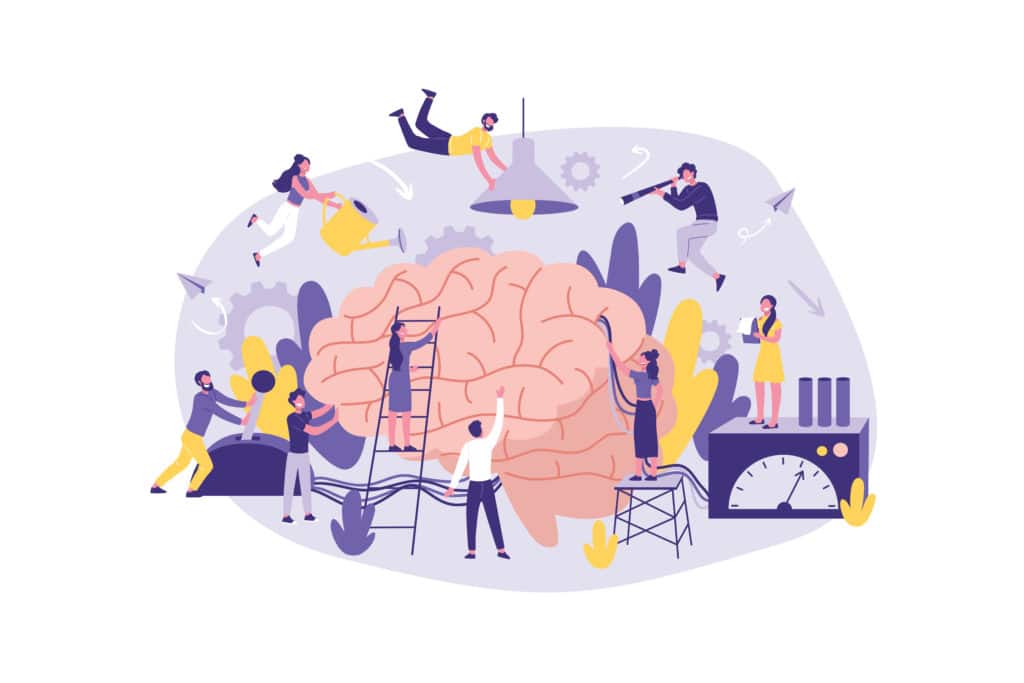
Transforming Advertising Through Neuroscience Integration
The integration of neuroeconomics into advertising strategy represents more than incremental improvement—it’s a fundamental shift in how brands understand and influence consumer behavior. By grounding marketing decisions in empirical brain science rather than intuition or tradition, organizations achieve greater precision, efficiency, and effectiveness.
This transformation doesn’t diminish creativity’s importance; rather, it channels creative energy more productively. When designers and copywriters understand which elements activate attention, emotion, and memory at a neural level, they can craft campaigns that are both artistically compelling and scientifically optimized.
The brands that thrive in coming years will be those that embrace this synthesis of art and science. They’ll invest in understanding the unconscious processes driving consumer decisions while maintaining ethical standards that respect autonomy and create genuine value.
Neuroeconomics has unlocked the black box of consumer decision-making, revealing the neural mechanisms that connect advertising stimuli to behavioral outcomes. As measurement technologies advance and AI capabilities expand, these insights will become increasingly central to marketing strategy across all channels and industries. The revolution in advertising has begun, powered by our growing understanding of the three-pound organ that ultimately controls every purchase decision. 🧠✨
